✓ You don't need a large sum of money to begin the foundational work of a nonprofit.
✓ Many initial steps involve strategic planning, networking, and leveraging existing resources.
✓ Fiscal sponsorship can allow you to operate and raise funds under an established 501(c)(3).
✓ Volunteers are the lifeblood of a bootstrap nonprofit, offering skills and time.
How It Works
1
Define Your Mission & Vision
Clearly articulate the problem you want to solve, your proposed solution, and the long-term impact. This clarity is crucial for attracting support without financial resources.
2
Build a Core Volunteer Team
Identify individuals passionate about your cause who can contribute time, skills, and expertise. A dedicated founding team is invaluable when money is scarce.
3
Explore Fiscal Sponsorship
Partner with an existing 501(c)(3) organization that agrees to manage your funds and provide tax-exempt status. This allows you to raise money legally before obtaining your own IRS determination.
4
Leverage Free & Low-Cost Resources
Utilize free online tools for communication, project management, and basic operations. Network extensively to find pro-bono services and in-kind donations for essential needs.
Laying the Groundwork: Vision, Mission, and Legal Identity
Photo: Yan Krukau / Pexels
Starting a nonprofit without money might seem like an impossible feat, but the truth is, the most valuable assets in the initial stages are not financial; they are passion, a clear vision, and unwavering determination. Before you even think about bank accounts or funding applications, you need to solidify the very core of your organization. This means meticulously defining your mission, vision, and values. Your mission statement should be a concise declaration of your purpose, outlining what you do, for whom, and why. It's the 'what' and 'how' of your organization. Your vision statement, on the other hand, paints a picture of the future you aspire to create – the 'why' you exist. These foundational statements will guide every decision, attract like-minded individuals, and serve as your most compelling pitch when you have no budget to back it up.
Next, consider your legal structure. While the ultimate goal is likely 501(c)(3) status from the IRS, which grants tax-exempt status and allows donors to deduct contributions, obtaining it directly can involve filing fees and legal expenses. This is where strategic thinking comes in. One of the most effective ways to start a nonprofit without money, and gain legal legitimacy, is through fiscal sponsorship. A fiscal sponsor is an existing 501(c)(3) organization that agrees to accept donations on your behalf, providing you with immediate tax-exempt status under their umbrella. This arrangement allows you to solicit grants and tax-deductible contributions while you build your capacity and potentially pursue your own 501(c)(3) status later. Researching potential fiscal sponsors and understanding their requirements is a critical early step. Websites like the National Council of Nonprofits or the National Network of Fiscal Sponsors can be excellent resources for finding organizations that offer these services. Engaging with a fiscal sponsor not only provides legal and financial infrastructure but also often offers mentorship and administrative support, which are invaluable for nascent organizations operating on a shoestring budget. It's a symbiotic relationship where you can focus on your program delivery while they handle the complex financial and legal compliance aspects. Remember, clarity in your mission and a solid plan for how you will achieve your goals are your initial currency. Understanding the basics of nonprofit formation will be key.
Building Your Bootstrap Team and Leveraging Community Assets
Photo: RDNE Stock project / Pexels
Once your foundational ideas are robust, the next crucial step in how to start a nonprofit without money is assembling your team. Your team won't be paid staff initially; they will be volunteers, and their commitment will be your greatest asset. Seek out individuals who not only believe in your cause but also bring diverse skills to the table – marketing, finance, legal expertise, project management, community outreach, and administrative support. Think of your initial team as your working board of directors, actively involved in the day-to-day development of the organization. Clearly define roles and responsibilities, even for volunteers, to ensure accountability and progress. Regular meetings, even if virtual, are essential to maintain momentum and foster a sense of shared ownership.
Beyond your core team, look to your community for resources. Many individuals and businesses are eager to support local initiatives, especially when they see a clear need and a passionate group addressing it. This is where networking becomes paramount. Attend local community events, join relevant online groups, and don't be afraid to share your vision with anyone who will listen. You might be surprised to find pro-bono services from lawyers willing to help with incorporation documents, accountants offering advice on financial reporting, or graphic designers creating your logo and basic branding materials for free. These in-kind donations are just as valuable as monetary contributions, allowing you to bypass significant startup costs.
Furthermore, leverage free and low-cost digital tools. For communication, consider platforms like Slack or Google Workspace (which offers nonprofit discounts). For project management, Trello or Asana have free tiers. Build a simple website using platforms like WordPress.com or Google Sites. Social media is a powerful, free tool for outreach and awareness. The key is to be resourceful and creative in identifying and utilizing every available asset. Local libraries often offer free meeting spaces, and community centers might be willing to host your initial events at no cost. Think expansively about what constitutes a 'resource' – it's not just money, but time, skills, spaces, and connections. By effectively mobilizing your volunteer base and tapping into community goodwill, you can create a robust operational framework without depleting a non-existent budget. This strategic approach to resource allocation is fundamental to truly start a nonprofit without money.
Strategic Fundraising and Operational Efficiency on a Shoestring
Photo: RDNE Stock project / Pexels
Even when you start a nonprofit without money, the goal is eventually to attract financial resources to sustain and grow your mission. However, your initial fundraising efforts will look different from those of established organizations. Instead of large grant applications, focus on smaller, community-based fundraising. Think crowdfunding campaigns that tap into your personal networks and the networks of your volunteers. Share your story compellingly, emphasizing the impact your organization will make. Explain clearly how every small contribution, even $5 or $10, will directly advance your cause. Leverage social media to amplify these campaigns, using engaging visuals and personal testimonials.
Another critical strategy is to seek out in-kind donations. Beyond pro-bono services, think about physical items or services that your nonprofit needs. Do you need office supplies? Ask local businesses for donations. Do you need a venue for an event? See if a community hall or church would offer their space for free. Food for volunteer meetings? Approach local restaurants. Every item or service you receive as an in-kind donation is money you don't have to spend, directly contributing to your operational efficiency. This approach requires consistent outreach, clear communication of your needs, and sincere appreciation for every contribution, big or small.
Maintaining operational efficiency with minimal funds is paramount. This means being incredibly lean and strategic in every expenditure. Prioritize spending on direct program delivery over administrative overhead. Can a task be done by a volunteer instead of paid staff? Can you use free software instead of a subscription service? Can you hold virtual meetings instead of renting space? Every decision should be viewed through the lens of maximizing impact with minimal cost. Develop robust, yet simple, financial tracking systems from day one, even if you're using spreadsheets. Transparency and accountability, even when dealing with small amounts, build trust with potential donors and volunteers. As your organization grows, and you attract more funding, you can gradually invest in more sophisticated tools and resources. But in the beginning, ingenuity and frugality are your best friends. Remember that building relationships and demonstrating impact with what you have are powerful precursors to attracting larger financial support. Effective communication strategies are vital here.
Common Pitfalls and Best Practices for No-Budget Nonprofits
When you embark on the journey to start a nonprofit without money, it's easy to fall into certain traps. One common pitfall is 'mission creep,' where your organization tries to do too much with too few resources, diluting its impact. Stay focused on your core mission, especially in the early stages. Another mistake is underestimating the time commitment; even without money, building a nonprofit requires immense dedication and consistent effort. Burnout among founders and volunteers is a real risk, so foster a supportive environment and celebrate small victories.
Lack of clear communication can also derail a no-budget nonprofit. Ensure everyone, from volunteers to potential donors, understands your goals, progress, and needs. Don't be afraid to ask for help or resources; many people want to contribute but don't know how. Finally, neglecting legal compliance, even with a fiscal sponsor, can lead to serious issues down the line. Always understand the rules governing nonprofits and charitable solicitations.
Here are some best practices to navigate these challenges:
* **Stay Laser-Focused:** Define your initial program scope narrowly and execute it exceptionally well. Expand only when resources allow.
* **Cultivate Relationships:** Your network is your net worth. Nurture connections with volunteers, community leaders, potential donors, and other organizations.
* **Document Everything:** Keep meticulous records of all activities, volunteer hours, in-kind donations, and any financial transactions. This aids transparency and future grant applications.
* **Be Resourceful and Creative:** Constantly look for free tools, pro-bono services, and in-kind donations. Think outside the box for solutions to problems.
* **Show, Don't Just Tell:** Demonstrate the impact of your work with stories, data, and testimonials. This is your most powerful fundraising tool when you lack a budget.
* **Prioritize Self-Care:** Building a nonprofit is a marathon. Ensure you and your team take breaks to avoid exhaustion.
* **Seek Mentorship:** Connect with experienced nonprofit leaders who can offer guidance and insights, often for free.
By being aware of these pitfalls and implementing best practices, you can significantly increase your chances of successfully launching and growing your nonprofit, even with minimal financial resources.
Comparison
Feature
Direct 501(c)(3) Startup
Fiscal Sponsorship Model
Grassroots Unincorporated
Initial Cost
High (legal, filing fees)
Low (administrative fees or free)
Very Low (minimal to none)
Tax-Exempt Status
Immediate upon approval
Immediate via sponsor
None (donations not deductible)
Fundraising Ability
Broad (grants, donations)
Broad (grants, donations via sponsor)
Limited (personal fundraising)
Legal & Admin Burden
High
Low (sponsor handles)
Low (but risky)
Time to Launch
6-18 months
1-3 months
Days to weeks
Credibility
High
High (associated with sponsor)
Low (startup risk)
Autonomy
Complete
Shared with sponsor
Complete
What Readers Say
★★★★★
"This guide was a lifesaver! I truly believed I needed thousands to start my animal rescue, but the emphasis on fiscal sponsorship and volunteer power showed me how to start a nonprofit without money. We're now helping dozens of animals."
Sarah J. · Austin, TX
★★★★★
"The practical advice on leveraging free resources and community assets was exactly what I needed. We launched our youth mentorship program with almost zero cash thanks to these strategies. It's truly inspiring."
David M. · Detroit, MI
★★★★★
"I was overwhelmed by the thought of legal fees. This article clarified the fiscal sponsorship route, making it possible to start a nonprofit without money. We secured our first grant through our sponsor just last month!"
Maria P. · Denver, CO
★★★★★
"While not every tip was immediately applicable to my specific cause, the overall framework for starting a nonprofit without money was incredibly helpful. It shifted my mindset from 'can't afford it' to 'how can I make it happen with what I have?'"
John R. · Seattle, WA
★★★★★
"As a student, I thought my environmental initiative was a pipe dream due to lack of funds. This guide on how to start a nonprofit without money gave me the confidence and roadmap to recruit volunteers and begin making a tangible impact in our local parks."
Emily L. · Boston, MA
Frequently Asked Questions
What is the absolute minimum I need to start a nonprofit?
The absolute minimum you need is a clear, compelling mission, a strong desire to make a difference, and a dedicated team of volunteers. While money helps, the initial stages can often be navigated through strategic planning, in-kind donations, and leveraging free community resources. Focus on demonstrating impact and building relationships.
Is it really possible to get 501(c)(3) status without any upfront costs?
Directly obtaining 501(c)(3) status typically involves IRS filing fees and potentially legal assistance, incurring costs. However, you can effectively operate as a tax-exempt organization by securing fiscal sponsorship. This allows an existing 501(c)(3) to manage your funds and provide tax-deductibility to your donors, circumventing immediate costs for your own status.
How do I find volunteers who will commit without pay?
Finding committed volunteers involves clearly articulating your mission and vision, demonstrating the impact they can have, and offering meaningful roles. Network within your community, use social media, local community boards, and volunteer matching platforms. Showcase the value and purpose of their contributions and foster a supportive, appreciative environment.
What are the cheapest ways to raise initial funds for my nonprofit?
The cheapest ways to raise initial funds include personal crowdfunding campaigns among your network, seeking small community donations, organizing low-cost events (like bake sales or car washes), and applying for micro-grants. Emphasize storytelling and the direct impact of even small contributions to inspire giving.
How does fiscal sponsorship compare to forming my own 501(c)(3)?
Fiscal sponsorship allows you to operate under an existing 501(c)(3)'s tax-exempt status, enabling immediate fundraising without the cost and time of applying for your own. You have less autonomy but gain administrative and legal support. Forming your own 501(c)(3) grants full autonomy but requires significant upfront investment in time, money, and ongoing compliance.
Who should consider starting a nonprofit without money?
Anyone with a burning passion for a cause, a clear vision for change, and a willingness to be resourceful and dedicated should consider starting a nonprofit without money. It's ideal for individuals or small groups who want to initiate impact immediately and are comfortable with a grassroots, community-driven approach to growth.
Are there legal risks involved in operating a nonprofit without formal incorporation or 501(c)(3) status?
Yes, operating without formal incorporation or 501(c)(3) status carries legal risks. Without incorporation, you might be personally liable for organizational debts or actions. Without 501(c)(3) status (or fiscal sponsorship), donations are not tax-deductible for donors, limiting your fundraising potential and potentially violating regulations if you solicit as a charity. Fiscal sponsorship mitigates these risks significantly.
What's the future trend for bootstrap nonprofits?
The future trend for bootstrap nonprofits points towards increased reliance on digital tools for communication and fundraising, greater emphasis on collaborative models like fiscal sponsorship, and a stronger focus on demonstrating measurable impact to attract socially conscious donors. Community engagement and storytelling will remain pivotal in attracting resources.
Starting a nonprofit without money is not just a dream; it's an achievable reality with the right strategies and unwavering dedication. By leveraging community, embracing resourcefulness, and focusing on your core mission, you can lay the groundwork for a powerful organization that makes a lasting difference. Begin your journey today and transform your passion into impactful action.

 Photo: Yan Krukau / Pexels
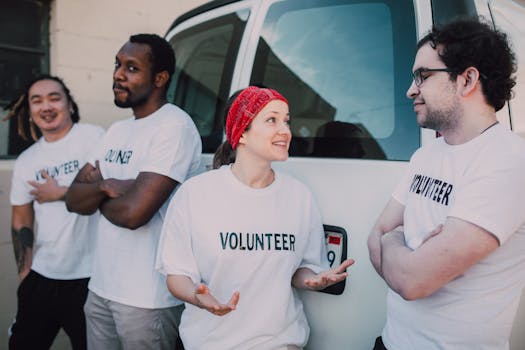 Photo: RDNE Stock project / Pexels
 Photo: RDNE Stock project / Pexels