
Mastering Nonprofit Grant Writing Tips for Funding Success
nonprofit grant writing tips

Mastering Nonprofit Grant Writing Tips for Funding Success

Transform your nonprofit's financial future by mastering the art of persuasive grant proposals.

Start Your Grant Journey

Key Takeaways

  • ✓ Over $75 billion is awarded annually by foundations in the U.S.
  • ✓ A well-researched grant proposal dramatically increases funding chances.
  • ✓ Grant writing is a skill that improves with practice and strategic feedback.
  • ✓ Successful grant seeking requires understanding funder priorities and alignment.

How It Works

1
Research Potential Funders

Identify foundations and corporations whose missions align with your nonprofit's goals. Utilize databases and network to find suitable grant opportunities.

2
Understand Grant Guidelines

Thoroughly review all requirements, eligibility criteria, and submission instructions for each grant. Adherence is critical for consideration.

3
Develop a Compelling Narrative

Craft a clear, concise, and persuasive story that highlights your organization's impact and the need for the proposed project. Focus on outcomes.

4
Assemble and Submit Proposal

Gather all necessary attachments, budget details, and supporting documents. Submit your complete proposal by the deadline, following all specified procedures.

The Foundation of Successful Grant Seeking for Nonprofits
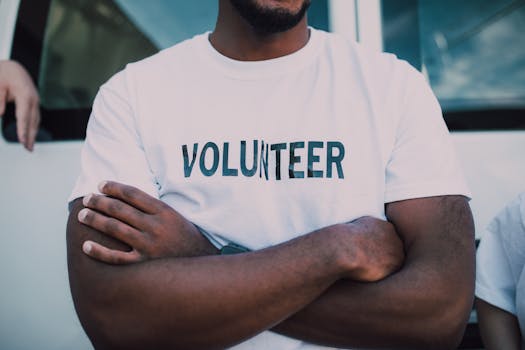
A close-up of a person wearing a volunteer shirt with arms crossed, promoting community service. Photo: RDNE Stock project / Pexels
Securing funding is the lifeblood of any nonprofit organization, enabling it to deliver critical services, expand its reach, and achieve its mission. Among the various funding avenues, grants from foundations, corporations, and government agencies stand out as a significant source of revenue. However, the process of obtaining these grants is often perceived as daunting, requiring a specialized skill set that many nonprofits struggle to develop. This is where mastering nonprofit grant writing tips becomes not just beneficial, but absolutely essential. It's not merely about writing well; it's about strategic thinking, meticulous research, and compelling storytelling that resonates with potential funders. Effective grant writing begins long before you put pen to paper (or fingers to keyboard). It starts with a deep understanding of your own organization: its mission, vision, programs, impact, and financial needs. Without this clarity, it's impossible to articulate a compelling case for support. Funders are looking for organizations that are well-managed, have a clear purpose, and demonstrate a track record of success or a well-thought-out plan for achieving it. They want to invest in solutions, not just problems. Therefore, the first step in any grant writing endeavor is an internal audit of your nonprofit's readiness. Are your financials in order? Do you have clear program descriptions and measurable outcomes? Is your leadership team aligned on strategic priorities? Answering these questions honestly will lay a solid foundation for your grant seeking efforts. Furthermore, successful grant writing is inherently about building relationships. While the proposal itself is a formal document, the process often involves initial inquiries, conversations, and sometimes even site visits. Developing a rapport with program officers can provide invaluable insights into a funder's priorities, their specific interests, and what they look for in a successful application. This proactive engagement can help tailor your proposal more effectively and increase your chances of success. It's a long-term strategy that pays dividends, transforming a transactional request into a partnership opportunity. Understanding the nuances of funder relationships is a key nonprofit strategy that goes beyond just the written word. It's about demonstrating your organization's value and potential impact in a way that aligns with the funder's philanthropic goals. By focusing on these foundational elements, nonprofits can approach grant writing not as a desperate plea for funds, but as a strategic endeavor to secure resources for meaningful change.

Crafting a Winning Grant Proposal: Structure and Content
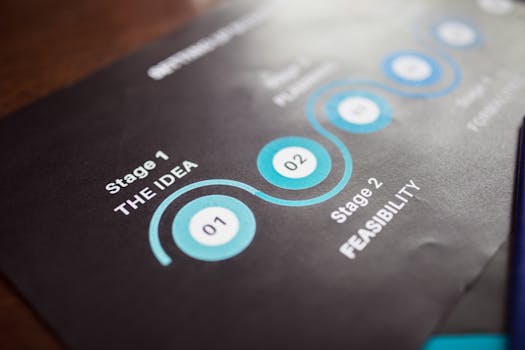
Close-up image of a business strategy chart on paper showing stages and feasibility. Photo: RDNE Stock project / Pexels
A winning grant proposal is a carefully constructed narrative that guides the funder through your organization's needs, proposed solutions, and anticipated impact. While specific requirements vary by funder, most proposals follow a similar structure, each section serving a distinct purpose in building a compelling case. Understanding these components and how to optimize them is crucial for any aspiring grant writer. The typical sections include an executive summary, statement of need, project description, organizational capacity, budget, and evaluation plan. Each piece must be meticulously crafted, clear, concise, and persuasive. The Executive Summary is arguably the most critical component, as it often determines whether the rest of your proposal will be read in detail. It's a snapshot of your entire proposal, summarizing your organization, the problem you address, your proposed solution, the amount requested, and the expected impact. It must be compelling enough to grab the funder's attention and convey the essence of your request in just a few paragraphs. Think of it as your elevator pitch, but in written form. The Statement of Need articulates the problem your organization is addressing, supported by data, statistics, and anecdotal evidence. It's where you establish the urgency and significance of your work. Avoid generalizations; instead, focus on specific issues affecting a defined population or community. Clearly demonstrate that your organization understands the problem deeply and that your proposed solution is a direct response to this identified need. Following this, the Project Description outlines exactly what you plan to do, how you'll do it, and who will benefit. This section details your project goals, objectives, activities, and timeline. Goals are broad statements of intent, while objectives are specific, measurable, achievable, relevant, and time-bound (SMART). Activities describe the actions taken to achieve your objectives. Be specific and realistic about what your project will accomplish. This section is where you paint a vivid picture of your project in action. Organizational Capacity demonstrates that your nonprofit has the experience, expertise, and resources to successfully implement the proposed project. Highlight your mission, history, key staff, board members, and any past successes relevant to the grant. Funders want to know their investment is in capable hands. The Budget section provides a detailed breakdown of how the grant funds will be used, showing all project-related expenses and income. It must be realistic, justifiable, and directly aligned with the project activities described. Finally, the Evaluation Plan outlines how you will measure the success of your project and its impact. This includes both process (how activities are implemented) and outcome (what changes occur) evaluations. Funders are increasingly focused on measurable results, so a robust evaluation plan is essential for demonstrating accountability and impact.

Essential Strategies and Best Practices for Nonprofit Grant Writers

Close-up of hands typing on a classic Underwood typewriter with paper. Photo: Hüsna Kefelioğlu / Pexels
Beyond the structural elements of a grant proposal, there are several overarching strategies and best practices that significantly enhance a nonprofit's chances of securing funding. These tips move beyond the mechanics of writing and delve into the strategic thinking required to navigate the competitive landscape of grant seeking. Adopting these practices can transform your approach, making your efforts more efficient and impactful, ultimately leading to greater success in securing the resources your organization needs. One of the most critical strategies is thorough Funder Research. This isn't just about finding grant opportunities; it's about identifying funders whose mission, funding priorities, geographic focus, and typical grant sizes align perfectly with your organization's needs and capabilities. Utilize online databases like Foundation Directory Online, GrantStation, or Candid. Research their past grantees and the types of projects they've funded. A well-matched funder is far more likely to consider your proposal seriously. Submitting a generic proposal to every possible funder is a waste of precious time and resources; targeted applications are always more effective. Another crucial best practice is to always Adhere Strictly to Guidelines. Funders receive hundreds, if not thousands, of applications. Any deviation from their specified formatting, page limits, required attachments, or submission methods can be an immediate disqualifier. Read the Request for Proposal (RFP) or grant guidelines multiple times, highlighting key requirements. Create a checklist to ensure every single instruction is met. This demonstrates professionalism, attention to detail, and respect for the funder's process. Furthermore, Cultivate Clarity and Conciseness in your writing. Grant reviewers are often reading many proposals, and dense, jargon-filled language can quickly lose their attention. Use clear, accessible language, avoiding acronyms unless fully explained. Get straight to the point and ensure every sentence contributes to your narrative. Proofread meticulously for grammar, spelling, and punctuation errors. A polished, error-free proposal reflects positively on your organization's professionalism. Consider having multiple people review the proposal, including someone unfamiliar with your organization, to ensure it's easily understandable. Finally, Focus on Impact and Outcomes, not just activities. Funders want to know what difference their investment will make. Instead of just listing what your project will do, articulate the specific, measurable changes you expect to achieve. How many lives will be improved? What societal problem will be alleviated? Use compelling data to back up your claims and present a clear vision of the positive change your organization will create. Showing a clear return on investment (ROI) in terms of social impact is a powerful motivator for funders, solidifying your position as a valuable nonprofit partner dedicated to meaningful change.

Common Grant Writing Mistakes to Avoid and Expert Tips for Success

From above of black woman in formal clothes sitting at table during business meeting and writing notes in notebook Photo: Sora Shimazaki / Pexels
Even experienced grant writers can fall into common pitfalls. Being aware of these mistakes and actively working to avoid them can significantly improve your success rate. Conversely, implementing expert tips can elevate your proposals from good to exceptional. **Common Grant Writing Mistakes to Avoid:** * **Ignoring Funder Guidelines:** This is the cardinal sin of grant writing. Missing a deadline, exceeding page limits, or failing to include a required attachment can lead to immediate rejection, regardless of your project's merit. * **Lack of Clear Problem Statement:** Failing to clearly articulate the problem your organization addresses, backed by data, leaves funders questioning the necessity of your project. * **Vague Objectives:** Objectives that are not SMART (Specific, Measurable, Achievable, Relevant, Time-bound) make it impossible for funders to assess your project's potential impact or accountability. * **Generic Proposals:** Submitting the same proposal to multiple funders without tailoring it to their specific interests and priorities shows a lack of research and respect. * **Unrealistic or Unjustified Budget:** A budget that doesn't align with project activities, lacks sufficient detail, or includes unreasonable expenses will raise red flags for reviewers. * **Poorly Proofread Content:** Typos, grammatical errors, and awkward phrasing detract from your professionalism and can make your organization appear careless. * **Last-Minute Submissions:** Rushing to submit at the last minute increases the chance of errors, technical glitches, and stress. Plan to submit well in advance. * **Failing to Follow Up:** Not sending a thank-you note or inquiring about the status (after a reasonable waiting period) can be a missed opportunity for relationship building. **Expert Tips for Grant Writing Success:** * **Start Early:** Give yourself ample time for research, writing, review, and gathering attachments. This reduces stress and improves quality. * **Build a Strong Grant Writing Team:** Even if you're the primary writer, involve program staff, finance, and leadership for input and review. Diverse perspectives strengthen the proposal. * **Develop a Grant Calendar:** Track deadlines, reporting requirements, and follow-up dates for all potential and submitted grants. * **Maintain a Grant Library:** Keep templates, boilerplate language, common attachments (e.g., 501(c)(3) letter, board list, financial statements) readily accessible and updated. * **Tell a Story:** While data is crucial, weave in compelling stories of impact that humanize your work and evoke empathy from the funder. * **Focus on Collaboration:** If applicable, highlight partnerships with other organizations. Funders often favor collaborative efforts that maximize impact. * **Be Prepared for Rejection:** Rejection is part of the grant seeking process. Learn from feedback, refine your proposals, and keep trying. It's a marathon, not a sprint. * **Build Relationships:** Attend funder workshops, network with program officers, and cultivate genuine connections. This can provide invaluable insights and open doors. By diligently applying these expert tips and consciously avoiding common mistakes, nonprofits can significantly enhance their grant writing prowess and increase their chances of securing the vital funding needed to fulfill their missions.

Comparison

FeatureProfessional Grant WriterIn-House StaffVolunteer
Expertise LevelHigh, specializedVaries, generalistVaries, passionate
Time CommitmentDedicated, efficientPart-time, sharedFlexible, limited
CostHigher upfrontSalary/existing overheadLow/none
Networking AccessOften extensiveLimited to own networkLimited to own network
Grant Success RatePotentially higherDependent on skillDependent on skill
Proposal QualityVaries
Strategic GuidanceVaries

What Readers Say

"These nonprofit grant writing tips transformed our approach. We went from sporadic applications to a structured, strategic process. The emphasis on funder research was a game-changer!"

Sarah Chen · Austin, TX

"The advice on crafting a compelling 'Statement of Need' helped us articulate our community's challenges much more effectively. We saw an immediate improvement in our proposal quality."

Mark Rodriguez · Chicago, IL

"Following these tips, our small arts nonprofit secured its first major foundation grant of $25,000. The detailed guidance on budget justification was particularly helpful for us."

Emily White · Portland, OR

"While incredibly comprehensive, some sections felt a bit overwhelming for a beginner. However, the core principles of clarity and funder alignment are undeniably valuable for anyone in grant writing."

David Lee · Atlanta, GA

"As a board member, understanding these nonprofit grant writing tips gave me much better insight into how to support our development team. It clarified what makes a proposal truly stand out."

Jessica Kim · Denver, CO

Frequently Asked Questions

What is the most crucial step in nonprofit grant writing?

The most crucial step is thorough funder research and alignment. Identifying foundations whose mission and funding priorities perfectly match your organization's goals and proposed project dramatically increases your chances of success. A well-matched proposal is always more effective than a perfectly written but misdirected one.

Is grant writing really that difficult for a small nonprofit?

Grant writing can be challenging, but it's a learnable skill. Small nonprofits often have compelling stories and direct impact, which can be very appealing to funders. The key is to start small, focus on local foundations, and progressively build your skills and track record. Don't be discouraged by initial rejections; view them as learning opportunities.

How do I find grant opportunities for my specific nonprofit cause?

You can find grant opportunities using online databases like Foundation Directory Online (Candid), GrantStation, or even government portals like Grants.gov for federal funding. Networking with other nonprofits, attending local funder forums, and subscribing to newsletters from philanthropic organizations can also reveal valuable leads.

What's a realistic timeline for writing a grant proposal?

A realistic timeline for a significant grant proposal can range from 4-8 weeks, depending on its complexity and your organization's readiness. This allows time for research, drafting, gathering attachments, internal reviews, and final proofreading. Rushing the process often leads to errors and a lower quality submission.

How do these grant writing tips compare to hiring a professional grant writer?

These tips provide the foundational knowledge and strategies for effective grant writing, empowering your in-house team. Hiring a professional grant writer offers specialized expertise and dedicated time, potentially leading to higher success rates and larger grants, but comes with a significant cost. Many nonprofits use these tips to build internal capacity while considering professional help for high-stakes proposals.

Who within a nonprofit should be involved in the grant writing process?

Ideally, the grant writing process should involve a collaborative team. This includes the primary grant writer, program staff (who understand the project details), finance staff (for budget accuracy), and leadership (for strategic alignment and ultimate approval). This multi-disciplinary approach ensures a comprehensive and accurate proposal.

What are the risks of poorly written grant proposals?

The primary risks of poorly written grant proposals include outright rejection, wasting valuable staff time and resources, and potentially damaging your organization's reputation with funders. A consistently poor submission record can make it harder to secure funding even for future, better-written proposals, as funders may remember past experiences.

How will AI and technology impact nonprofit grant writing in the future?

AI and technology are likely to streamline grant writing by assisting with funder research, data analysis for problem statements, and even drafting initial content or boilerplate language. However, the human element of storytelling, strategic alignment, and relationship building will remain crucial. AI will be a powerful tool, not a complete replacement, enhancing efficiency while preserving the essential human touch.

Ready to transform your nonprofit's funding strategy? Implement these expert nonprofit grant writing tips today to craft compelling proposals, build lasting funder relationships, and secure the resources your mission deserves. Your impact starts with a winning grant.

Topics: nonprofit grant writing tipsgrant proposal writingnonprofit fundinggrant seeking strategyfoundation grants
Leo List

DK Escorts LU Escorts AT Escorts SE Escorts FI Escorts CH Escorts DE Escorts HR Escorts IE Escorts GR Escorts CZ Escorts NO Escorts BE Escorts FR Escorts SI Escorts IL Escorts NL Escorts PL Escorts HU Escorts ES Escorts IT Escorts PT Escorts SK Escorts RO Escorts ZA Escorts UY Escorts US Escorts UK Escorts NZ Escorts AU Escorts
Brampton weed
Adultwork EstrelaBet Vai de Bet R7 Bet Betão Galera Bet Rainbet Bet9ja Shop SportyBet BetKing Sisal Loto Foot Hollywoodbets YesPlay Odibets RushBet Jugabet BetWarrior BetCity MSport betPawa Fortebet