
Boost Impact: Nonprofit Consulting Services US

Two young volunteers holding potted plants, promoting environmental awareness.Photo: Mikhail Nilov / Pexels

Boost Impact: Nonprofit Consulting Services US

Unlock your organization's full potential and achieve sustainable growth with tailored expert guidance designed for the US nonprofit sector.

Transform Your Mission Today

Key Takeaways

  • ✓ Nonprofits contribute over $2.6 trillion to the US economy annually.
  • ✓ Over 1.5 million registered nonprofits operate in the United States.
  • ✓ Strategic planning is cited as a top challenge by 40% of nonprofit leaders.
  • ✓ Consulting can increase fundraising efficiency by up to 25% for many organizations.

How It Works

1
Initial Needs Assessment

We begin by thoroughly understanding your organization's mission, current challenges, and long-term aspirations. This involves deep dives into your operations, finances, and programs.

2
Custom Strategy Development

Based on the assessment, our consultants craft a bespoke strategic plan tailored to your unique needs. This includes actionable recommendations for growth, efficiency, and impact.

3
Implementation & Support

We don't just provide recommendations; we partner with you through the implementation phase. This includes training, ongoing guidance, and hands-on support to ensure successful execution.

4
Monitoring & Evaluation

Post-implementation, we help establish metrics and processes to monitor progress and evaluate the effectiveness of the new strategies. This ensures sustained positive change and continuous improvement.

Understanding the Landscape of Nonprofit Consulting Services in the US
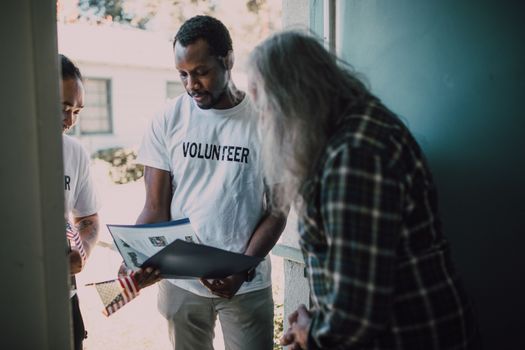
Volunteers visit a home to provide community support and discuss documents.Photo: RDNE Stock project / Pexels
The United States is home to a vibrant and diverse nonprofit sector, a powerful engine driving social change, cultural enrichment, and essential services across countless communities. However, the very nature of nonprofit work—often characterized by limited resources, complex regulatory environments, and an unwavering commitment to mission—presents unique challenges. This is where specialized nonprofit consulting services US become indispensable, offering a beacon of expertise and strategic guidance. These services are not a luxury but a strategic investment for organizations aiming to maximize their impact, achieve financial sustainability, and navigate an increasingly competitive landscape. Nonprofit consulting encompasses a broad spectrum of specialized areas, each designed to address specific pain points and opportunities within an organization. At its core, it's about bringing external, objective expertise to bear on internal challenges. Consultants leverage their deep industry knowledge, best practices, and analytical skills to help nonprofits improve their operations, enhance their fundraising capabilities, refine their strategic direction, and strengthen their governance. The value proposition is clear: by engaging experienced consultants, nonprofits can access specialized skills they might not possess in-house, gain fresh perspectives on long-standing issues, and accelerate their progress towards mission fulfillment. The US nonprofit landscape is particularly complex, shaped by federal and state regulations, a diverse philanthropic ecosystem, and varying community needs. Consultants specializing in this region understand these nuances, offering advice that is not only theoretically sound but also practically applicable within the American context. This includes expertise in IRS regulations for 501(c)(3) organizations, understanding the intricacies of major donor cultivation within US philanthropic norms, and navigating the specific reporting requirements for grants from US-based foundations or government agencies. Without this localized knowledge, even the best strategies can fall short. Furthermore, the demand for accountability and transparency in the nonprofit sector has never been higher. Donors, grantors, and the public rightly expect organizations to demonstrate measurable impact and responsible stewardship of resources. Nonprofit consulting services play a crucial role in helping organizations meet these expectations by developing robust impact measurement frameworks, improving financial management systems, and fostering strong governance structures. This not only builds trust but also makes organizations more attractive to potential funders and partners. Ultimately, investing in nonprofit consulting services in the US is about building capacity. It's about empowering staff, strengthening leadership, and creating resilient organizations that can weather challenges and seize opportunities. Whether an organization is struggling with fundraising, contemplating a major strategic shift, needing to revitalize its board, or looking to streamline its operations, a well-chosen consultant can provide the roadmap and support needed to achieve transformative results. This foundational understanding sets the stage for exploring the specific benefits and types of services available, illustrating how targeted expertise can propel a nonprofit from simply surviving to truly thriving.

Key Areas Where Nonprofit Consulting Drives Impact and Growth

Image of a charity donation box filled with food supplies and paper cups.Photo: RDNE Stock project / Pexels
Nonprofit consulting services in the US are highly diverse, reflecting the multifaceted needs of organizations striving to make a difference. While the specific engagement will always be tailored, several key areas consistently emerge where consultants provide significant value, driving both impact and sustainable growth. Understanding these specializations helps nonprofits identify where external expertise can best serve their unique objectives. One of the most frequently sought-after areas is **strategic planning**. Many nonprofits, while passionate about their mission, can become reactive, responding to immediate needs rather than proactively shaping their future. Consultants facilitate a rigorous strategic planning process, helping leadership teams articulate a clear vision, define measurable goals, identify core strategies, and allocate resources effectively. This often involves environmental scans, stakeholder interviews, SWOT analyses, and the development of actionable implementation plans. A well-crafted strategic plan provides a roadmap for the next 3-5 years, ensuring alignment across the organization and a focused approach to mission delivery. **Fundraising and development** is another critical domain. Sustainable funding is the lifeblood of any nonprofit. Consultants in this area bring expertise in diversified fundraising strategies, including major gifts, grant writing, corporate sponsorships, planned giving, annual campaigns, and digital fundraising. They can assess current fundraising operations, identify untapped potential, help develop compelling cases for support, train development staff, and even assist in cultivating donor relationships. For many organizations, a fundraising consultant can be the catalyst for moving beyond hand-to-mouth existence to long-term financial stability. **Organizational development and capacity building** focus on strengthening the internal structures and human capital of a nonprofit. This can involve leadership development, board governance training, staff performance management, succession planning, and improving internal communications. A strong, well-governed organization with effective leadership and engaged staff is far more likely to achieve its mission. Consultants help identify organizational gaps, develop training programs, and implement best practices that enhance overall operational efficiency and resilience. **Program evaluation and impact measurement** are becoming increasingly vital. Funders and stakeholders demand evidence of impact, not just effort. Consultants help nonprofits design robust program evaluation frameworks, collect meaningful data, analyze outcomes, and articulate their impact effectively. This not only satisfies reporting requirements but also provides valuable insights for program improvement and demonstrates accountability, making the organization more attractive to potential donors. Finally, **marketing and communications** consulting helps nonprofits tell their story effectively and reach wider audiences. This includes developing brand strategies, crafting compelling messaging, enhancing digital presence, managing public relations, and creating integrated communication plans. In a crowded philanthropic market, effective communication is key to standing out, attracting supporters, and building community engagement. By specializing in these crucial areas, nonprofit consulting services US empower organizations to overcome complex challenges, seize new opportunities, and ultimately amplify their positive societal contributions.

Choosing the Right Nonprofit Consulting Services in the US: A Strategic Approach
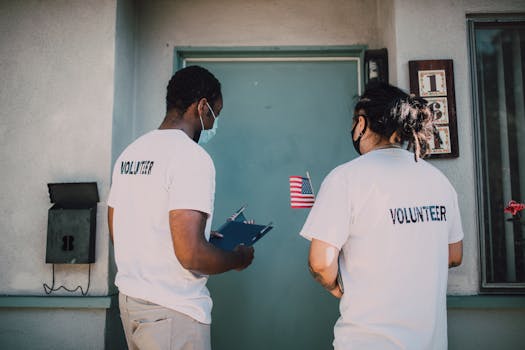
Two volunteers wear masks and visit community homes, engaging in outreach activities.Photo: RDNE Stock project / Pexels
Selecting the appropriate nonprofit consulting services US is a critical decision that can profoundly impact an organization's trajectory. It's not merely about finding a consultant; it's about forging a strategic partnership that aligns with your values, understands your unique context, and possesses the specific expertise needed to achieve your goals. A thoughtful, methodical approach to selection ensures the investment yields maximum returns and avoids potential pitfalls. Begin by clearly defining your needs and objectives. Before even looking for a consultant, your organization should conduct an internal assessment to identify the core challenges or opportunities you want to address. Are you struggling with fundraising? Do you need a new strategic plan? Is your board disengaged? Are your programs not achieving desired outcomes? The more specific you are about what you hope to achieve, the better equipped you'll be to find a consultant with the right specialization. This clarity also helps in setting measurable outcomes for the consulting engagement, enabling you to evaluate its success. Researching potential consultants or firms is the next crucial step. Look for consultants with a proven track record specifically within the nonprofit sector and, ideally, with experience relevant to your sub-sector (e.g., environmental, arts, social services). Review their websites, case studies, client testimonials, and professional affiliations. Pay attention to their philosophy and approach – do they seem collaborative and client-centered, or more prescriptive? Geographic proximity might also be a factor, especially for hands-on engagements, though many consultants now work effectively remotely. Once you have a shortlist, prepare a Request for Proposal (RFP) or a detailed scope of work. This document should outline your organization's background, the specific problem you're trying to solve, your desired outcomes, the project timeline, and your budget. This allows consultants to provide accurate and relevant proposals. When reviewing proposals, look beyond just the price tag. Evaluate the consultant's proposed methodology, their understanding of your needs, the experience of the specific team members who would be assigned to your project, and their proposed deliverables and timeline. A good proposal will demonstrate a deep understanding of your organization and a clear, actionable plan. Interviewing top candidates is essential. This is your opportunity to assess their communication style, cultural fit, and chemistry with your team. Ask probing questions about their experience with similar organizations, how they handle unexpected challenges, and what their process is for ensuring client satisfaction. Request references and actually contact them – past clients can offer invaluable insights into a consultant's strengths, weaknesses, and overall effectiveness. During this stage, consider whether the consultant is truly listening to your needs and offering tailored solutions, rather than off-the-shelf answers. Finally, negotiate a clear contract that specifies the scope of work, deliverables, timelines, fees, payment schedule, and terms for communication and conflict resolution. A well-defined contract protects both parties and ensures that expectations are aligned. By approaching the selection process strategically, nonprofits can secure a consulting partnership that not only addresses immediate needs but also builds long-term capacity, leading to greater impact and sustained success in their mission.

Maximizing Your Investment: Tips and Common Mistakes in Nonprofit Consulting

Volunteer organizing donation boxes with clothes and supplies for charity.Photo: Gustavo Fring / Pexels
Engaging nonprofit consulting services in the US represents a significant investment of time, resources, and trust. To ensure this investment yields the greatest possible return, organizations must be proactive and strategic in their approach. Understanding common pitfalls and adopting best practices can dramatically enhance the success of any consulting engagement. **Tips for Maximizing Your Investment:** * **Clear Internal Alignment:** Before bringing in a consultant, ensure your leadership team and board are aligned on the problem to be solved and the desired outcomes. Internal disagreement can sabotage even the best consulting efforts. * **Active Participation:** Consulting is a partnership. Your team's active participation, providing timely information, feedback, and commitment to action, is crucial for success. Don't expect consultants to operate in a vacuum. * **Designate a Strong Internal Lead:** Assign a dedicated staff member or board member to be the primary liaison with the consultant. This individual should have the authority to make decisions or gather necessary information efficiently. * **Be Open to Change:** Consultants bring fresh perspectives and often challenge existing assumptions. Be open to new ideas and willing to adapt processes or strategies based on expert recommendations. * **Focus on Capacity Building:** Look for consultants who not only solve immediate problems but also transfer knowledge and skills to your team, building your internal capacity for future challenges. * **Measure Progress Regularly:** Establish clear metrics at the outset and meet regularly with the consultant to review progress against these benchmarks. This allows for course correction if needed. **Common Mistakes to Avoid:** * **Unclear Scope or Expectations:** Entering an engagement without a well-defined scope of work or vague expectations is a recipe for disappointment. Both parties must agree on what will be delivered and when. * **Hiring Without a Specific Need:** Don't hire a consultant just because others are doing it. Every engagement should be driven by a clear, identified organizational need or strategic objective. * **Ignoring Internal Resistance:** Change can be difficult, and internal resistance to new ideas or processes is common. Consultants can help manage this, but leadership must be prepared to address it head-on. * **Failing to Implement Recommendations:** The most brilliant strategy or insightful assessment is useless if its recommendations are not implemented. Allocate resources and hold teams accountable for executing the plan. * **Focusing Only on Cost:** While budget is important, choosing the cheapest option without considering expertise, experience, and fit can lead to wasted resources and poor outcomes. Value, not just cost, should drive the decision. * **Lack of Follow-Through:** The consulting engagement might end, but the work of implementation and sustained change continues. Ensure there's a plan for ongoing monitoring and reinforcement of new practices. By heeding these tips and avoiding common pitfalls, nonprofits can transform their consulting investment into a powerful catalyst for organizational strength, enhanced impact, and enduring success within the dynamic US philanthropic landscape.

Comparison

FeatureSpecialized Nonprofit Consulting FirmGeneral Management Consulting FirmFreelance Consultant
Sector ExpertiseDeep, specific nonprofit knowledgeBroad business knowledge, limited nonprofit depthVaries greatly by individual
Cost StructureMid to high, value-basedHigh, often premium ratesLower to mid, project-based
Range of ServicesComprehensive nonprofit-specific services (e.g., fundraising, governance, program evaluation)Broader business services (e.g., operations, HR), less specialized for nonprofitsNiche expertise, often single-focus
Cultural Fit✓ (mission-driven understanding)✗ (profit-driven mindset may clash)Varies, can be excellent if aligned
Team Size/ResourcesDedicated teams, robust resourcesLarge teams, extensive resourcesOften solo, limited support staff
Long-Term Partnership Potential✓ (often builds long-term relationships)✗ (less common for sustained nonprofit engagement)Varies, depends on individual capacity

What Our Readers Say

5 ★★★★★

"Our experience with nonprofit consulting services US was transformative. They helped us refine our strategic plan and significantly boosted our grant acquisition rates, leading to a 30% increase in program funding."

5 ★★★★★

"The consultants provided invaluable guidance on board development. Our board is now more engaged and effective, directly impacting our ability to serve our community better. Highly recommend their expertise."

5 ★★★★★

"We engaged a firm for fundraising strategy, and the results were phenomenal. Within six months, we secured our largest individual donor gift to date and established a robust major gifts program, exceeding our goals by 50%."

4 ★★★★☆

"While the initial phase was a bit slower than expected, the strategic insights provided were ultimately very beneficial. Their expertise in impact measurement has given us a clearer picture of our program's effectiveness."

5 ★★★★★

"As a small, growing nonprofit, we desperately needed help scaling our operations. The nonprofit consulting services US team streamlined our processes and helped us secure new partnerships, allowing us to expand our reach."

Frequently Asked Questions

What types of nonprofits benefit most from consulting services in the US?
Nonprofits of all sizes and missions can benefit, but those experiencing rapid growth, facing significant challenges (e.g., funding gaps, governance issues), undergoing leadership transitions, or seeking to scale their impact often see the most immediate and profound benefits. Consulting helps organizations at critical junctures to navigate complexities and achieve strategic objectives.
How much do nonprofit consulting services in the US typically cost?
Consulting fees vary widely based on the scope, duration, and complexity of the project, as well as the consultant's experience and firm size. Rates can range from hourly fees for individual freelancers to project-based fees for larger firms, potentially costing anywhere from a few thousand dollars for a small project to six figures for comprehensive, long-term engagements. It's an investment in future capacity.
How do I ensure a good fit with a nonprofit consultant?
To ensure a good fit, clearly define your needs, thoroughly research potential consultants, review their past work and testimonials, and conduct in-depth interviews. Look for someone who demonstrates a deep understanding of your mission and sector, has a collaborative working style, and whose values align with your organization's culture. Always check references.
Can nonprofit consultants help with grant writing or government contracts?
Yes, many nonprofit consulting services specialize in fundraising, which often includes grant writing and navigating government contract opportunities. They can help identify potential funders, craft compelling proposals, and guide your organization through the complex application processes, significantly increasing your chances of securing critical funding.
What's the difference between a general business consultant and a nonprofit consultant?
The primary difference lies in sector-specific expertise and understanding. Nonprofit consultants possess deep knowledge of the unique regulatory environment, funding models, governance structures, and mission-driven culture of the nonprofit sector. General business consultants may offer valuable operational insights, but often lack the nuanced understanding required for effective nonprofit strategy and sustainability.
Who should use nonprofit consulting services US?
Any nonprofit organization in the US looking to enhance its effectiveness, solve complex problems, achieve sustainable growth, or build internal capacity should consider consulting services. This includes organizations seeking strategic clarity, improved fundraising, stronger governance, efficient operations, or measurable program impact.
Are there risks associated with hiring nonprofit consultants?
Risks include hiring a consultant who isn't a good fit, mismanaging expectations, or failing to implement recommendations. These risks can be mitigated by thorough due diligence, clear contract terms, active organizational participation, and a commitment to integrating the consultant's advice into actionable strategies. A lack of internal buy-in is often the biggest risk.
What are the future trends in nonprofit consulting for the US market?
Future trends include increased demand for data analytics and impact measurement, digital transformation strategies, diversity, equity, and inclusion (DEI) consulting, virtual fundraising expertise, and specialized guidance on remote workforce management. Consultants will also focus more on resilience planning and navigating evolving philanthropic landscapes.

Ready to elevate your organization's impact and achieve lasting change? Explore how specialized nonprofit consulting services in the US can provide the expert guidance and strategic direction you need to thrive. Partner with experienced professionals to unlock your full potential and fulfill your vital mission.

Topics: nonprofit consulting services USnonprofit strategy consultingfundraising consulting USnonprofit capacity buildingnonprofit management consulting
Leo List
Brampton weed
Adultwork