Unlock Potential: Nonprofit Consulting Services US
June 23, 2026 17 min read 3,306 words
Empower your mission with strategic guidance, enhanced fundraising, and optimized operations from leading US nonprofit consultants.
Request a Free Consultation
The Indispensable Role of Nonprofit Consulting Services US for Mission Advancement
 Photo: Vlada Karpovich / Pexels
In the dynamic and often challenging landscape of the nonprofit sector, organizations in the United States face a myriad of complex issues ranging from fluctuating funding streams to evolving beneficiary needs and stringent regulatory requirements. It is within this intricate environment that professional nonprofit consulting services US emerge as an indispensable asset, providing vital strategic guidance, operational expertise, and specialized knowledge to help organizations not only survive but thrive and amplify their impact. These services are not merely an outsourced solution but a partnership designed to build internal capacity, foster innovation, and ensure long-term sustainability.
At its core, nonprofit consulting is about bringing an objective, external perspective to internal challenges. Nonprofits, by their very nature, are often driven by passion and mission, but this can sometimes lead to blind spots in operational efficiency, strategic alignment, or fundraising approaches. A consultant brings a fresh pair of eyes, equipped with best practices gleaned from working with numerous organizations across various sub-sectors. This external viewpoint is crucial for identifying systemic issues, challenging ingrained assumptions, and proposing innovative solutions that might not be apparent from within the organization. For instance, a consultant might uncover inefficiencies in program delivery that, once streamlined, could free up significant resources for direct mission work, or identify untapped donor segments that could dramatically boost fundraising efforts.
Beyond objectivity, consultants offer specialized expertise that many nonprofits cannot afford to maintain in-house. This can include deep knowledge in areas such as strategic planning, where consultants facilitate the creation of robust, actionable plans that align vision with measurable goals. They are adept at market analysis, helping organizations understand their competitive landscape, identify unique value propositions, and tailor their services to meet community needs more effectively. Furthermore, consultants bring expertise in fundraising development, aiding in the creation of diversified funding strategies, grant writing, major donor cultivation, and capital campaigns. This specialized knowledge is particularly valuable given the intense competition for donor dollars and the increasing sophistication required to secure sustainable funding.
The benefits extend to enhancing organizational governance and leadership. Many nonprofits grapple with board engagement, succession planning, or defining clear roles and responsibilities. Consultants can provide invaluable support in board development, facilitating retreats, designing effective committee structures, and training board members on their fiduciary and strategic duties. This strengthens the leadership backbone of the organization, ensuring it is well-equipped to navigate future challenges and opportunities. Moreover, consultants often play a critical role in change management, guiding organizations through periods of transition, whether it's scaling up programs, merging with another entity, or adapting to new technological demands. Their structured approach minimizes disruption and maximizes the chances of successful implementation.
Ultimately, engaging nonprofit consulting services US is an investment in the organization's future. It’s an investment in increased efficiency, greater impact, enhanced sustainability, and a stronger voice for the communities they serve. By leveraging external expertise, nonprofits can overcome internal hurdles, capitalize on new opportunities, and ensure their vital missions continue to be fulfilled with maximum effectiveness. This partnership allows dedicated
nonprofit leaders and staff to focus on what they do best – serving their beneficiaries – while strategic and operational improvements are expertly guided.
Navigating the Spectrum: Key Areas of Nonprofit Consulting Expertise
 Photo: Tara Winstead / Pexels
The breadth of services offered by nonprofit consulting firms in the US is vast, reflecting the multifaceted nature of running a successful charitable organization. Understanding these key areas of expertise is crucial for nonprofits seeking targeted support to address specific challenges or pursue ambitious growth objectives. Each specialization brings a unique set of tools, methodologies, and insights designed to elevate different facets of an organization's operations and strategic direction.
One of the most frequently sought-after areas is **Strategic Planning**. This involves guiding an organization through a comprehensive process to define its vision, mission, values, and long-term goals. Consultants facilitate discussions, conduct environmental scans, perform SWOT analyses, and help articulate actionable strategies to achieve desired outcomes. A well-crafted strategic plan, developed with expert guidance, provides a clear roadmap for the next three to five years, ensuring all efforts are aligned and resources are optimally allocated. It helps organizations anticipate future trends and prepare for them proactively, rather than reactively. This process is vital for maintaining relevance and impact in a constantly evolving societal landscape.
**Fundraising and Development Consulting** is another cornerstone service. Securing sustainable funding is arguably the biggest challenge for many nonprofits. Consultants in this domain offer expertise in diverse fundraising strategies, including major gift cultivation, grant writing, corporate sponsorships, planned giving, annual appeals, and capital campaigns. They can assess current fundraising efforts, identify gaps, develop comprehensive fundraising plans, train development staff, and even assist with donor research and stewardship. Their experience helps organizations diversify their revenue streams, reduce reliance on single funding sources, and build stronger, more lasting relationships with donors. This includes navigating the complexities of federal and state grant opportunities, which often require specialized knowledge and precise application processes.
**Board Development and Governance** is critical for the health and effectiveness of any nonprofit. Consultants assist in recruiting and onboarding new board members, facilitating board retreats, defining roles and responsibilities, establishing effective committee structures, and ensuring compliance with legal and ethical standards. A strong, engaged, and well-governed board is essential for providing strategic oversight, fiduciary responsibility, and community advocacy. Consultants can help mediate board conflicts, establish clear communication protocols, and develop succession plans for key leadership positions, ensuring institutional stability.
**Marketing and Communications Consulting** helps nonprofits effectively tell their story, engage their target audiences, and raise their public profile. This includes developing robust communication strategies, crafting compelling messaging, managing social media presence, optimizing websites, and conducting public relations campaigns. In an increasingly digital world, a strong brand identity and effective communication are paramount for attracting donors, volunteers, and beneficiaries. Consultants can help nonprofits cut through the noise and resonate with their intended audiences.
Furthermore, **Program Evaluation and Impact Measurement** services are becoming increasingly important. Donors and stakeholders demand evidence of impact. Consultants help nonprofits design robust evaluation frameworks, collect and analyze data, and report on the effectiveness of their programs. This not only demonstrates accountability but also provides valuable insights for program refinement and improvement. It allows organizations to understand what works, for whom, and why, leading to more efficient and impactful service delivery.
Finally, **Organizational Development and Operational Efficiency** consultants focus on internal processes, human resources, and technology. They can help streamline operations, develop effective HR policies, implement new software solutions, and foster a healthy organizational culture. By optimizing internal workings, nonprofits can allocate more resources directly to their mission, reduce administrative burdens, and improve staff morale and productivity. Each of these specialized areas contributes significantly to a nonprofit's overall strength and capacity to fulfill its mission.
Selecting the Right Nonprofit Consulting Services US: A Strategic Imperative
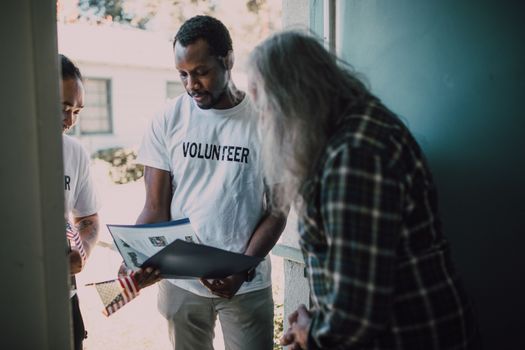 Photo: RDNE Stock project / Pexels
Choosing the appropriate nonprofit consulting services US is a decision that can profoundly impact an organization's trajectory. It’s not simply about hiring an expert; it’s about finding a partner whose values align with your mission, whose expertise precisely matches your needs, and who can seamlessly integrate into your organizational culture. A thoughtful selection process is therefore a strategic imperative, ensuring that the investment yields maximum return in terms of enhanced capacity, sustainable growth, and amplified impact.
The first step in this crucial selection process is a thorough **internal needs assessment**. Before even looking outward, an organization must clearly define its challenges, goals, and the specific outcomes it hopes to achieve by engaging a consultant. Is it a need for a new strategic plan, a boost in fundraising, board revitalization, or an organizational restructuring? Specificity here is key. "We need more money" is too broad; "We need to develop a diversified major donor strategy and increase major gift revenue by 20% over two years" is actionable and measurable. This internal clarity will serve as the foundation for evaluating potential consulting partners and their ability to deliver.
Once needs are identified, organizations should develop a **clear Request for Proposal (RFP)**. This document outlines the project scope, objectives, deliverables, timeline, budget, and selection criteria. A well-structured RFP ensures that all prospective consultants submit comparable proposals, making the evaluation process more objective and efficient. It also communicates professionalism and seriousness on the part of the nonprofit, attracting higher-caliber consulting firms.
When evaluating proposals and potential consultants, several critical factors come into play. **Expertise and experience** are paramount. Does the consultant or firm have a proven track record working with organizations similar in size, mission, and scope? Do they possess deep knowledge in the specific area where your nonprofit needs assistance (e.g., healthcare nonprofits, arts and culture, environmental advocacy)? Look for case studies, testimonials, and verifiable results. A consultant who has successfully guided other organizations through similar challenges will bring invaluable insights and proven methodologies.
**Cultural fit and communication style** are equally important, though often overlooked. A consultant will be working closely with your staff, board, and potentially other stakeholders. Their ability to build rapport, communicate effectively, and adapt to your organizational culture is vital for successful collaboration. During interviews, pay attention to how they listen, how they explain their approach, and whether their personality seems conducive to a productive working relationship. A consultant who understands and respects the unique ethos of the
nonprofit sector, recognizing that mission often drives decisions differently than in the for-profit world, will be a much better partner.
**Methodology and approach** should also be scrutinized. Does the consultant's proposed methodology seem sound, logical, and tailored to your organization's specific context? Do they emphasize collaboration and capacity building, aiming to empower your team to sustain improvements long after their engagement ends? Or do they propose a more prescriptive, 'do-it-for-you' approach that might not foster long-term internal growth? The best consultants don't just solve problems; they equip organizations with the tools and knowledge to solve future problems themselves.
Finally, **cost and value proposition** must be carefully considered. While budget is always a factor, the cheapest option is rarely the best. Focus on the value proposition – what tangible outcomes and long-term benefits will the consultant deliver? A higher upfront investment in a truly effective consultant can yield far greater returns in terms of increased funding, improved efficiency, and expanded impact. Ensure contract terms are clear, outlining deliverables, timelines, payment schedules, and conflict resolution mechanisms. By meticulously evaluating these factors, nonprofits can confidently select a consulting partner that will truly serve as a catalyst for mission advancement.
Maximizing Your Investment: Tips for Successful Nonprofit Consulting Engagements
 Photo: Gustavo Fring / Pexels
Engaging nonprofit consulting services US is a significant investment of time, resources, and trust. To ensure this investment yields its maximum potential and translates into tangible, sustainable improvements for your organization, a strategic approach to the engagement itself is crucial. It’s not enough to simply hire a consultant; successful outcomes depend heavily on how the nonprofit manages and collaborates throughout the consulting process. Here are key tips to maximize your investment and ensure a successful partnership:
* **Define Clear Objectives and Scope:** Before the consultant even begins, have a crystal-clear understanding of what you want to achieve. Specific, measurable, achievable, relevant, and time-bound (SMART) objectives will guide the consultant's work and provide benchmarks for success. A well-defined scope prevents scope creep and ensures the project remains focused.
* **Assign a Dedicated Internal Project Lead:** Appoint a single point of contact from your organization who has the authority, time, and understanding to liaise with the consultant. This person will facilitate communication, provide necessary documentation, coordinate internal resources, and ensure timely decision-making. Their active involvement is critical for seamless collaboration.
* **Foster Open and Honest Communication:** Create an environment where candid feedback, questions, and concerns can be freely exchanged between your team and the consultant. Be transparent about internal challenges, organizational culture, and any potential roadblocks. The more information the consultant has, the better they can tailor their advice and solutions.
* **Commit to Active Participation:** Consulting is not a passive process where the consultant delivers a magic bullet. Your team, especially key stakeholders and leadership, must actively participate in workshops, interviews, data gathering, and decision-making. The consultant provides the expertise and framework, but the organization must own the process and its outcomes.
* **Be Open to New Ideas and Change:** Consultants are brought in to offer new perspectives and solutions. Be prepared to challenge existing assumptions, embrace innovative approaches, and make necessary organizational changes. Resistance to change can undermine even the best consulting advice.
* **Prioritize Knowledge Transfer and Capacity Building:** A truly successful consulting engagement leaves your organization stronger and more capable. Discuss with your consultant how they plan to transfer knowledge, train staff, and build internal capacity so that your team can sustain improvements independently after the engagement concludes. Ask for toolkits, templates, and training sessions.
* **Establish Regular Check-ins and Reporting:** Set up a consistent schedule for progress reports, review meetings, and feedback sessions. This ensures both parties are aligned, allows for early detection of issues, and provides opportunities to adjust the approach if needed. Clear communication about progress keeps everyone accountable.
* **Plan for Implementation Beyond the Engagement:** A consulting report is only valuable if its recommendations are implemented. Develop an internal action plan for post-consulting implementation, assigning responsibilities and timelines. Consider how the consultant can provide follow-up support or be available for questions during the initial implementation phase.
* **Evaluate the Engagement:** At the conclusion, conduct a thorough evaluation of the consulting engagement against your initial objectives. What worked well? What could have been better? What were the measurable impacts? This feedback is valuable for future engagements and for strengthening your organization's ability to work with external partners effectively.
By following these best practices, nonprofits can transform their engagement with consulting services from a mere transaction into a truly transformative partnership that drives significant, lasting positive change.
