Discover the Best Online Donation Platform for Nonprofits
best online donation platform for nonprofits

Discover the Best Online Donation Platform for Nonprofits

Streamline your fundraising, engage your supporters, and amplify your mission with the right digital tools.

Find Your Platform

Key Takeaways

  • ✓ Over 70% of donations are made online today, highlighting the need for robust platforms.
  • ✓ Transaction fees can vary widely, impacting net donations received by nonprofits.
  • ✓ Integrated donor management features can save significant administrative time and effort.
  • ✓ Mobile optimization is crucial as a growing number of donors give from smartphones.

How It Works

1
Assess Your Nonprofit's Unique Needs

Before diving into platforms, identify your organization's specific fundraising goals, budget, existing tech stack, and donor base demographics. This foundational step ensures you select a solution that truly aligns with your operational requirements and strategic vision.

2
Evaluate Key Platform Features

Compare platforms based on essential features like customizable donation pages, recurring giving options, peer-to-peer fundraising, event management, and CRM integration. Prioritize features that directly address your identified needs and offer scalability for future growth.

3
Consider Pricing Models and Support

Understand the fee structures (transaction fees, monthly subscriptions, platform fees) and compare them against your budget. Also, assess the quality of customer support, training resources, and community forums available to ensure you have assistance when needed.

4
Test and Implement Your Chosen Platform

Once you've selected a platform, take advantage of free trials or demos. Thoroughly test the donor experience, administrative backend, and reporting capabilities. Develop a clear implementation plan, train your team, and launch with a solid communication strategy for your donors.

Understanding the Landscape of Online Giving Solutions for Nonprofits
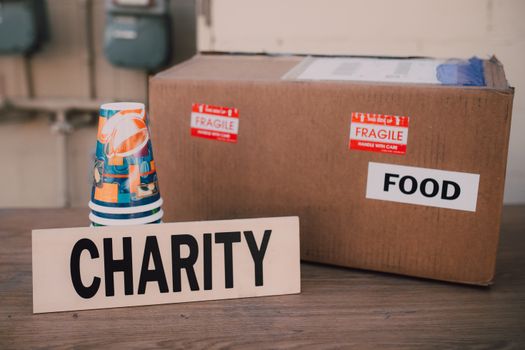
Image of a charity donation box filled with food supplies and paper cups. Photo: RDNE Stock project / Pexels
In today's digital-first world, having a robust online presence is no longer a luxury for nonprofits; it's a necessity. At the heart of this digital strategy lies the best online donation platform for nonprofits – the engine that powers your fundraising efforts, connects you with supporters, and ultimately helps you achieve your mission. But with a plethora of options available, each boasting unique features, pricing models, and target audiences, navigating this landscape can feel overwhelming. The right platform can significantly boost your fundraising revenue, streamline administrative tasks, and enhance donor engagement, while the wrong choice can lead to lost donations, frustration, and wasted resources. This section will demystify the core components of these platforms and highlight what makes some stand out from the rest. At its most basic level, an online donation platform provides the digital infrastructure for individuals to make financial contributions to your organization. However, modern platforms offer far more than just a payment gateway. They encompass a suite of tools designed to optimize the entire donor journey, from initial discovery to sustained engagement. Key functionalities often include customizable donation forms that reflect your brand, secure payment processing capabilities that instill donor confidence, and automated receipt generation for compliance and donor convenience. Beyond these essentials, many platforms integrate powerful features like recurring giving options, which are crucial for building predictable revenue streams, and peer-to-peer fundraising tools that empower your supporters to fundraise on your behalf. Event registration, ticketing, and management are also common offerings, transforming these platforms into comprehensive fundraising hubs. Understanding these various components is the first step toward identifying the best online donation platform for nonprofits that aligns perfectly with your organization's unique needs and strategic goals. As you delve deeper, consider how each feature contributes to both your operational efficiency and your donor's experience, ensuring a seamless and positive interaction at every touchpoint. The ultimate goal is to find a platform that not only processes transactions but actively helps you cultivate lasting relationships with your dedicated supporters.

Essential Features to Look For in a Top Donation Platform

Close-up of diverse hands joined in a symbol of unity and teamwork. Photo: Atlantic Ambience / Pexels
When searching for the best online donation platform for nonprofits, a feature-by-feature comparison is paramount. Not all platforms are created equal, and what works for a small local charity might not suffice for a large national organization. Here’s a breakdown of the essential features you should prioritize: **1. Customizable Donation Forms:** Your donation page is often the first direct interaction a potential donor has with your giving process. It must be branded, user-friendly, and mobile-responsive. Look for platforms that allow extensive customization of fields, colors, logos, and messaging to create a seamless brand experience. The ability to embed forms directly onto your website is also a significant advantage. **2. Secure Payment Processing:** This is non-negotiable. Ensure the platform uses robust encryption (SSL), is PCI DSS compliant, and offers multiple payment options (credit/debit cards, ACH, PayPal, Apple Pay, Google Pay). Transparency about security measures builds trust with your donors. **3. Recurring Giving Options:** Monthly or annual recurring donations provide predictable income, which is vital for long-term planning. The best platforms make it easy for donors to set up and manage recurring gifts, and for administrators to track them. **4. Donor Management & CRM Integration:** While some platforms offer built-in CRM functionalities, others integrate seamlessly with popular third-party CRMs like Salesforce, Bloomerang, or Raiser's Edge. This integration is crucial for maintaining a unified donor database, tracking donor history, and personalizing communications. Look for robust reporting and segmentation capabilities. **5. Peer-to-Peer Fundraising:** Empowering supporters to create their own fundraising pages for your cause can dramatically expand your reach. A good platform will provide intuitive tools for creating campaigns, managing teams, and sharing progress on social media. **6. Event Management Capabilities:** If your nonprofit hosts events (galas, races, workshops), a platform that can handle ticketing, registration, and attendee management can be invaluable, consolidating your fundraising efforts in one place. **7. Reporting and Analytics:** Data is power. The best online donation platform for nonprofits will offer comprehensive dashboards and customizable reports on donation trends, donor demographics, campaign performance, and financial reconciliation. This data helps you make informed decisions and optimize future fundraising strategies. **8. Mobile Responsiveness:** With a significant portion of online activity occurring on mobile devices, your donation forms and campaign pages must be fully optimized for smartphones and tablets. A clunky mobile experience can lead to abandoned donations. **9. Customer Support and Resources:** Evaluate the quality of customer support (phone, email, chat), available training materials, knowledge bases, and community forums. Reliable support can be a lifesaver when you encounter technical issues or need guidance. **10. Pricing Transparency and Fee Structure:** Understand all associated costs: transaction fees (percentage per donation), monthly/annual subscription fees, and any hidden charges. Some platforms offer discounted rates for nonprofits, while others pass all processing fees to the donor. Choose a model that best fits your budget and donor base.

Top Contenders: A Deep Dive into Leading Online Donation Platforms

Group of volunteers wearing masks sorting donations with a laptop, promoting diversity and teamwork. Photo: Gustavo Fring / Pexels
To help you make an informed decision, let's explore some of the leading contenders often cited as the best online donation platform for nonprofits, each with its unique strengths and ideal use cases. This overview is designed to provide a balanced perspective, highlighting what makes each platform stand out. **1. Classy:** Often lauded for its comprehensive suite of fundraising tools, Classy is a robust platform ideal for medium to large nonprofits seeking advanced features. It excels in peer-to-peer fundraising, event management, and crowdfunding, offering highly customizable campaign pages that look professional and engaging. Classy’s strength lies in its ability to integrate various fundraising initiatives under one roof, providing powerful analytics and reporting. While it offers extensive features, its pricing model typically caters to organizations with larger fundraising budgets. Users often praise its intuitive interface and dedicated customer support, making it a strong contender for those prioritizing an all-in-one solution for complex campaigns. **2. Donorbox:** Donorbox is a favorite among many small to medium-sized nonprofits due to its user-friendly interface, affordability, and powerful features. It offers sleek, customizable donation forms that can be easily embedded on any website, recurring donation options, donor management tools, and peer-to-peer fundraising capabilities. Donorbox is known for its transparent pricing, often charging a low platform fee plus standard payment processor fees. It's particularly strong for organizations looking for a straightforward, efficient way to collect online donations without extensive technical knowledge. Its quick setup and excellent customer service frequently receive high marks from users, making it an accessible yet powerful tool for growing organizations. For nonprofits just starting to build their digital fundraising strategy, Donorbox presents an excellent value proposition, allowing them to focus on their mission rather than complex tech.Many nonprofits find it strikes the perfect balance between functionality and ease of use. **3. Givebutter:** Givebutter positions itself as an all-in-one fundraising platform with a focus on engagement and community. It offers a wide array of tools, including donation forms, ticketing, peer-to-peer campaigns, crowdfunding, and even livestream fundraising. What often sets Givebutter apart is its commitment to offering many of its core features for free, relying on optional tips from donors or premium add-ons for revenue. This makes it incredibly attractive for startups and smaller nonprofits with limited budgets. Its modern interface and emphasis on interactive elements like donor walls and live updates can create a more dynamic fundraising experience. While its free tier is compelling, organizations should evaluate if the advanced features or integrations they need might require a paid upgrade. **4. Bloomerang:** While primarily a donor relationship management (CRM) system, Bloomerang also offers integrated online giving forms. Its strength lies in its sophisticated donor management capabilities, focusing on donor retention and engagement. For nonprofits whose primary challenge is nurturing donor relationships and understanding donor behavior, Bloomerang’s integrated approach can be highly beneficial. The online giving forms are designed to seamlessly feed data into the CRM, providing a holistic view of each donor. It might be a more significant investment than standalone donation platforms, but for organizations prioritizing long-term donor loyalty and comprehensive data insights, it's a powerful option that brings together fundraising and relationship building. **5. PayPal Zettle/Giving Fund:** For very small nonprofits or those just starting, PayPal remains a ubiquitous and accessible option. Its user-friendliness and widespread adoption mean many donors already have PayPal accounts, simplifying the donation process. While its basic donation buttons are easy to set up, it lacks the advanced fundraising features (like peer-to-peer or event management) of dedicated nonprofit platforms. However, for organizations needing a simple, low-cost way to accept online payments quickly, PayPal is a viable entry point. The PayPal Giving Fund offers reduced fees for eligible charities, making it even more attractive for basic donation processing.

Avoiding Common Pitfalls: Tips for Choosing Your Ideal Platform

A multicultural team collaborates on an idea using markers and paper on the floor indoors. Photo: Alena Darmel / Pexels
Selecting the best online donation platform for nonprofits is a significant decision that can impact your fundraising success for years to come. To ensure you make the right choice and avoid common pitfalls, consider these crucial tips: * **Don't Underestimate the Power of a Demo:** Never commit to a platform without experiencing it firsthand. Request a personalized demo or sign up for a free trial. Test the donor experience from start to finish, and thoroughly explore the administrative backend. This hands-on approach will reveal much more than feature lists alone. * **Read the Fine Print on Fees:** Transaction fees, monthly subscriptions, setup fees, and premium feature costs can quickly add up. Ask for a clear, itemized breakdown of all potential expenses. Some platforms might seem cheaper upfront but have higher per-transaction costs, while others have higher fixed costs but lower variable ones. Understand how these fees will impact your net donations. * **Consider Scalability from Day One:** Your nonprofit will ideally grow, and your fundraising needs will evolve. Choose a platform that can scale with you. Does it offer advanced features you might need in the future? Can it handle increased donor volume and more complex campaigns? Migrating platforms later can be a costly and time-consuming endeavor. * **Prioritize Integration Capabilities:** Your online donation platform shouldn't operate in a silo. It needs to communicate with your CRM, email marketing software, accounting systems, and website. Look for platforms with robust API access or pre-built integrations to avoid manual data entry and ensure a unified view of your donors. * **Don't Overlook Customer Support:** When something goes wrong, you need reliable help. Investigate the quality of customer support. Are they responsive? Do they offer multiple channels (phone, email, chat)? What kind of training and resources are available? Read reviews specifically mentioning support experiences. * **Think Long-Term Donor Experience:** The best platform isn't just about processing payments; it's about fostering relationships. Does the platform allow for personalized thank-you messages? Can donors easily manage their recurring gifts? Does it make the giving process feel secure and inspiring? A positive donor experience encourages repeat giving. * **Involve Your Team:** Don't make this decision in a vacuum. Involve key stakeholders from your fundraising, marketing, and finance teams. Each department will have unique needs and insights that can contribute to a more holistic decision. Their buy-in will also be crucial for successful implementation and adoption. By keeping these tips in mind, you can navigate the selection process more effectively and choose the best online donation platform for nonprofits that truly empowers your mission.

Comparison

FeatureDonorbox (Best Value)Classy (Enterprise)Givebutter (Free-Tier Focus)
Customizable FormsExcellentExcellentVery Good
Recurring Giving
Peer-to-PeerIncludedAdvancedIncluded
Event ManagementBasicAdvancedComprehensive
CRM IntegrationStrongStrongModerate
Pricing ModelLow Platform Fee + ProcessorSubscription + ProcessorFree (Tips) / Subscription
Ideal ForSmall to Mid-Size NonprofitsMid to Large NonprofitsStartups & Small Nonprofits
Ease of UseHighMedium-HighHigh

What Readers Say

"Donorbox has been the best online donation platform for nonprofits like ours. Setting up recurring donations was a breeze, and our donors love how simple it is to give. We've seen a significant increase in monthly pledges since switching."

Sarah Chen · Austin, TX

"Classy transformed our annual gala fundraising. The event management tools are top-notch, and the peer-to-peer campaigns were incredibly effective. It's a comprehensive solution for serious fundraising efforts."

Mark Johnson · Chicago, IL

"Using Givebutter allowed us to launch our first crowdfunding campaign with zero upfront cost. The interactive donor wall made it so engaging, and we exceeded our goal by 30% thanks to its intuitive features and social sharing options."

Emily Rodriguez · Denver, CO

"While PayPal is simple, we needed more features. Donorbox offered the best balance of robust options and affordability. The customer support has been incredibly responsive, though we occasionally wish for more advanced CRM tools built-in."

David Lee · Seattle, WA

"As a small arts nonprofit, finding the best online donation platform for nonprofits that fit our budget was critical. Givebutter's free tier was a lifesaver, allowing us to professionalize our online giving without breaking the bank. It's truly helped us reach a wider audience."

Maria Garcia · Miami, FL

Frequently Asked Questions

What is the most important factor when choosing the best online donation platform for nonprofits?

The most important factor is alignment with your nonprofit's specific needs and budget. This includes considering your fundraising goals, the size of your organization, the types of campaigns you run (e.g., peer-to-peer, events), and your existing tech stack for CRM and accounting. A platform that offers the right balance of features, affordability, and ease of use for your unique situation will be the most effective.

Are 'free' online donation platforms truly free, and what's the catch?

Some platforms, like Givebutter, offer significant functionality for free, often relying on optional donor tips or premium upgrades for revenue. While this can be a great starting point, 'free' usually means you might pay standard payment processing fees (e.g., Stripe, PayPal fees), and advanced features, dedicated support, or custom branding might be part of a paid tier. Always read the terms carefully.

How do I ensure my chosen platform integrates with my existing donor database (CRM)?

When evaluating platforms, specifically look for their integration capabilities. Many top platforms offer direct integrations with popular CRMs like Salesforce, Bloomerang, or Raiser's Edge. If a direct integration isn't available, check if they offer Zapier integration or an open API, which can allow for custom connections. This is crucial for avoiding manual data entry and maintaining a unified donor view.

What are the typical costs associated with online donation platforms?

Costs generally fall into two categories: platform fees and payment processing fees. Platform fees can be a monthly/annual subscription, a percentage of donations, or a flat fee per transaction. Payment processing fees (e.g., 2.2% + $0.30 per transaction) are charged by the payment gateway (Stripe, PayPal) and are usually separate. Some platforms allow you to pass these fees to the donor.

How does peer-to-peer fundraising work on these platforms compared to direct donations?

Peer-to-peer fundraising empowers your supporters to create personalized fundraising pages for your cause, sharing them with their networks. Donors contribute directly to these individual campaigns, with funds ultimately going to your nonprofit. This differs from direct donations, where individuals give directly to your organization through your main donation form. Platforms facilitate both, often with specific tools for each.

Which best online donation platform for nonprofits is best for very small, volunteer-run organizations?

For very small, volunteer-run organizations, platforms like Givebutter (due to its robust free tier) or Donorbox (for its affordability and ease of use) are often excellent choices. PayPal Giving Fund can also be a simple starting point. The key is to find a platform that is easy to set up, requires minimal technical expertise, and has a low cost of entry, allowing you to focus on your mission.

What security measures should I look for in an online donation platform?

Look for platforms that are PCI DSS compliant (Payment Card Industry Data Security Standard), use SSL encryption (HTTPS) for all donation pages, and offer fraud protection tools. Two-factor authentication for administrative access is also a good indicator of strong security practices. These measures protect both your nonprofit's data and your donors' sensitive financial information.

What future trends should nonprofits consider when choosing a donation platform?

Future trends include increased mobile giving, the rise of cryptocurrency donations, AI-powered donor insights for personalized appeals, and integration with live streaming and social media for real-time engagement. Choosing a platform that is actively innovating and offers flexibility to adapt to these emerging technologies can future-proof your fundraising efforts.

Choosing the best online donation platform for nonprofits is a strategic investment in your mission. By carefully evaluating your needs, exploring top contenders, and avoiding common pitfalls, you can select a solution that not only streamlines your fundraising but also deepens donor relationships and amplifies your impact. Take the next step to empower your cause today.

Topics: best online donation platform for nonprofitsnonprofit fundraising softwareonline giving solutionsdonor management systemscharity donation platform
Leo List

IE Escorts NO Escorts US Escorts NZ Escorts AU Escorts
Brampton weed
Adultwork EstrelaBet Vai de Bet R7 Bet Betão Galera Bet Rainbet Bet9ja Shop SportyBet BetKing Sisal Loto Foot Hollywoodbets YesPlay Odibets RushBet Jugabet BetWarrior BetCity MSport betPawa Fortebet