✓ Integrated platforms save an average of 10+ hours per week for nonprofit staff.
✓ Mobile-responsive donation pages increase conversion rates by up to 30%.
✓ Donor management features are crucial for effective stewardship and retention.
✓ Cloud-based solutions offer greater flexibility and accessibility for remote teams.
How It Works
1
Assess Your Needs
Identify your organization's specific fundraising goals, budget, and current technological capabilities. Consider features like donor management, event planning, and communication tools.
2
Research & Compare Options
Explore various software providers, reading reviews and comparing feature sets against your identified needs. Look for scalability and ease of integration with existing systems.
3
Request Demos & Trials
Engage with vendors to experience the software firsthand through demos and free trials. This allows you to evaluate user-friendliness and functionality in a real-world context.
4
Implement & Optimize
Once chosen, implement the software, migrate data, and train your team. Continuously monitor its performance and optimize your fundraising strategies based on data insights.
Understanding the Core Components of Effective Nonprofit CRM
Photo: RDNE Stock project / Pexels
In today's digital landscape, the success of any nonprofit organization hinges significantly on its ability to effectively manage donor relationships and streamline fundraising efforts. This is where the best nonprofit fundraising software becomes not just a helpful tool, but an absolute necessity. At its core, this software is often a comprehensive Customer Relationship Management (CRM) system tailored specifically for the unique demands of the nonprofit sector. It goes beyond simple donation processing, offering a holistic view of your supporters and their engagement journey. A robust nonprofit CRM integrates various functionalities, including donor profiles, communication history, volunteer records, and grant tracking, all within a single, accessible platform. This integration is crucial because it eliminates data silos, providing a unified source of truth for all interactions. For instance, imagine a donor who attends an event, volunteers for a project, and makes a recurring donation. Without an integrated CRM, tracking these diverse touchpoints across different spreadsheets or systems would be a logistical nightmare, leading to missed opportunities for personalized outreach and stewardship.
The primary benefit of a well-implemented nonprofit CRM is its capacity to foster deeper, more meaningful relationships with your donors. By centralizing data, staff can quickly access a donor's giving history, preferred communication methods, and specific interests. This allows for highly targeted appeals, acknowledgment letters that resonate, and cultivation strategies that build lasting loyalty. Furthermore, these systems often include automation features, such as automated thank-you emails after a donation or reminders for recurring gifts, freeing up valuable staff time from repetitive administrative tasks. This efficiency gain is particularly vital for nonprofits, which often operate with limited resources and small teams. The goal is to move beyond transactional giving and cultivate truly engaged supporters who feel connected to your mission. Choosing the right software means selecting a system that not only manages data but actively empowers your team to build these critical relationships. It's about turning data into actionable insights that drive your mission forward, ensuring every interaction is purposeful and impactful. A great system acts as the backbone of your fundraising strategy, supporting everything from major gift cultivation to grassroots campaigns. Learn more about effective nonprofit management strategies here.
Essential Features of Top-Tier Online Donation Platforms
Photo: Gustavo Fring / Pexels
While a comprehensive CRM forms the backbone, the online donation platform is often the most visible and critical component of any best nonprofit fundraising software. This is where potential donors interact directly with your organization, and a seamless, secure, and user-friendly experience is paramount. The features of a top-tier online donation platform are designed to maximize conversion rates and make the giving process as frictionless as possible. First and foremost, mobile responsiveness is non-negotiable. With a significant portion of internet traffic originating from mobile devices, your donation pages must render perfectly on smartphones and tablets, offering an intuitive experience regardless of screen size. Clunky, hard-to-navigate mobile pages are a common reason for abandoned donations. Beyond aesthetics, security is paramount. Donors need to feel confident that their financial information is protected, so look for platforms with robust encryption, PCI compliance, and secure payment gateways. Transparency about these security measures can significantly boost donor trust.
Another critical feature is the ability to customize donation forms. Generic forms can feel impersonal; the best platforms allow you to brand your forms with your logo, colors, and specific campaign messaging. This creates a cohesive experience and reinforces your organization's identity. Customizable fields also enable you to collect specific data relevant to your campaigns, such as how the donor heard about you or if they wish to dedicate their gift. Recurring giving options are also a must-have. Encouraging monthly or annual donations provides a predictable revenue stream and significantly increases donor lifetime value. The platform should make it easy for donors to set up and manage these recurring gifts. Furthermore, integration with social media sharing buttons can extend the reach of your campaigns, allowing supporters to easily share their giving experience with their networks. Finally, real-time reporting and analytics are vital. You need to be able to track donation volume, average gift size, conversion rates, and donor demographics to understand what's working and what's not, allowing for agile adjustments to your fundraising strategies. These insights are invaluable for optimizing future campaigns and demonstrating impact. Without these robust features, even the most compelling mission might struggle to convert interest into financial support.
Leveraging Advanced Fundraising Tools for Campaign Success
Photo: RDNE Stock project / Pexels
Beyond basic donor management and online giving, the best nonprofit fundraising software offers a suite of advanced tools designed to elevate your fundraising campaigns and engage supporters in innovative ways. These tools move beyond passive acceptance of donations, enabling proactive and strategic outreach. One such crucial tool is peer-to-peer fundraising. This feature empowers your most passionate supporters to create their own personalized fundraising pages and solicit donations from their networks on behalf of your organization. It's a powerful way to expand your reach, tap into new donor bases, and leverage the trust and influence of your advocates. The software should provide easy-to-use templates for these individual fundraisers, along with robust tracking for their progress and the ability to communicate directly with their donors. Event management capabilities are another cornerstone of advanced fundraising. Whether you're planning a gala, a walkathon, or a virtual seminar, integrated event tools can handle everything from registration and ticketing to attendee communication and post-event follow-up. This streamlines logistics, reduces administrative burden, and ensures a professional experience for participants.
Grant management features are also increasingly common and highly valuable, particularly for organizations that rely on institutional funding. These tools help track grant applications, deadlines, reporting requirements, and communications with funders, ensuring compliance and maximizing your chances of securing critical grants. For organizations with a strong volunteer base, integrated volunteer management modules can simplify recruitment, scheduling, communication, and tracking of volunteer hours, recognizing their invaluable contribution. Communication tools, often built directly into the software, are essential for nurturing donor relationships. This includes email marketing capabilities for sending newsletters, campaign updates, and personalized appeals, as well as segmentation tools to tailor messages to different donor groups. Some platforms even offer integrated text messaging for urgent appeals or event reminders, catering to modern communication preferences. The ability to segment your donor base based on giving history, engagement level, or interests allows for highly personalized and effective communication that resonates deeply. By strategically deploying these advanced tools, nonprofits can diversify their fundraising streams, engage a broader audience, and ultimately achieve greater impact. Discover more about engaging your community effectively.
Common Mistakes to Avoid When Selecting Fundraising Software
Photo: RDNE Stock project / Pexels
Choosing the best nonprofit fundraising software is a significant investment, and avoiding common pitfalls can save your organization time, money, and frustration. One of the most frequent mistakes is focusing solely on price. While budget is certainly a factor, opting for the cheapest solution without thoroughly evaluating its features and scalability can lead to regrets down the line. A seemingly inexpensive option might lack crucial functionalities, forcing you to purchase additional tools or rely on manual workarounds, ultimately costing more in the long run. Conversely, overspending on a system with features you'll never use is equally inefficient.
Another common error is failing to involve key stakeholders in the decision-making process. Your fundraising team, communications staff, and even some board members will be using this software. Their input on daily needs, workflow preferences, and reporting requirements is invaluable. Skipping this step can result in a system that doesn't meet the practical needs of its users, leading to low adoption rates and wasted investment.
Here are some other mistakes to avoid:
* **Ignoring Integration Capabilities:** Many organizations already use other software for accounting, email marketing, or project management. Ensure the new fundraising software can seamlessly integrate with your existing tech stack to avoid data duplication and manual entry.
* **Neglecting Scalability:** Your organization will ideally grow. Choose a platform that can grow with you, accommodating increased donor numbers, more complex campaigns, and additional features as your needs evolve.
* **Overlooking Training and Support:** Even the most intuitive software requires some training. Evaluate the vendor's training resources, customer support options (phone, email, chat), and availability. Poor support can cripple your team's ability to effectively use the platform.
* **Not Requesting Demos or Trials:** Never commit to a software without seeing it in action and ideally, testing it yourself. Demos reveal user interface, functionality, and potential pain points before you sign a contract.
* **Prioritizing Flash Over Functionality:** Be wary of shiny new features that look impressive but don't address your core fundraising challenges. Focus on robust, reliable functionality that directly supports your mission.
By carefully considering these points, your nonprofit can make an informed decision that truly empowers your fundraising efforts.
Comparison
Feature
Bloomerang
DonorPerfect
Blackbaud Raiser's Edge NXT
Donor Management (CRM)
Excellent (Intuitive)
Very Good (Customizable)
Comprehensive (Enterprise-level)
Online Donation Forms
Highly Customizable
Good Customization
Robust, Advanced
Email Marketing
Integrated
Integrated Add-on
Integrated
Event Management
Basic (Integrates with partners)
Integrated
Integrated
Peer-to-Peer Fundraising
Integrated
Integrated
Integrated
Reporting & Analytics
Strong, User-friendly
Detailed, Customizable
Powerful, Complex
Pricing Model
Tiered by database size
Tiered by database size
Custom, Enterprise
What Readers Say
★★★★★
"Bloomerang has been the best nonprofit fundraising software for our small art foundation. The donor profiles are so intuitive, allowing us to personalize our outreach like never before. Our donor retention rates have noticeably improved."
Sarah Chen · Austin, TX
★★★★★
"DonorPerfect transformed our annual giving campaign. The ability to track pledges and automate thank-you letters saved us countless hours. It's a powerful and flexible system for a growing nonprofit."
Mark Johnson · Chicago, IL
★★★★★
"Since implementing Blackbaud Raiser's Edge NXT, our major gift officer has seen a 20% increase in successful solicitations. The wealth screening and prospect research tools are unparalleled, giving us deep insights into potential donors."
Emily Rodriguez · Boston, MA
★★★★★
"While the initial setup of our new fundraising software had a learning curve, the comprehensive features for event management and volunteer tracking have been incredibly beneficial. We're still exploring all its capabilities, but it's a solid choice."
David Lee · Seattle, WA
★★★★★
"Our youth mentorship program needed a system that could handle both donations and volunteer sign-ups seamlessly. The best nonprofit fundraising software we found integrated both, making our operations much smoother and more efficient."
Jessica Brown · Denver, CO
Frequently Asked Questions
What is the best nonprofit fundraising software for a small organization?
For small organizations, the 'best' software often balances affordability with essential features like donor management, online giving, and basic reporting. Platforms like Bloomerang, Little Green Light, or Givebutter are frequently recommended for their user-friendliness and scalable pricing models, allowing you to grow without immediate significant investment.
Is it worth investing in expensive fundraising software for a startup nonprofit?
While initial costs can be daunting, consider the long-term benefits. Investing in reliable software early can establish strong donor relationships, streamline operations, and prevent future data migration headaches. Many platforms offer tiered pricing or free versions for smaller organizations, allowing you to scale up as your nonprofit grows. Prioritize core features over advanced ones initially.
How do I migrate existing donor data to new fundraising software?
Data migration typically involves exporting your current donor data (usually in CSV or Excel format) from your old system, cleaning it to ensure consistency, and then importing it into your new software. Most reputable software providers offer migration tools, guides, or even dedicated support to assist with this process, ensuring a smooth transition. It's crucial to back up your data before starting.
What are the typical costs associated with the best nonprofit fundraising software?
Costs vary widely based on features, number of contacts, and transaction volume. Some platforms offer free basic plans, while others range from $50-$200 per month for essential features, and enterprise solutions can cost thousands. Always inquire about all fees, including setup, training, and transaction processing, to get a clear total cost of ownership.
How does all-in-one fundraising software compare to using separate tools?
All-in-one software offers seamless integration of features like CRM, online giving, and email marketing, leading to a unified donor view and streamlined workflows. Using separate tools might be cheaper initially, but can lead to data silos, manual data entry, and compatibility issues, ultimately costing more in time and efficiency. An integrated solution is generally more efficient for long-term growth.
Which nonprofit fundraising software is best for event management?
For robust event management, look for software that includes features like customizable registration pages, ticketing, attendee tracking, sponsorship management, and post-event communication. Platforms like DonorPerfect, Blackbaud Raiser's Edge NXT, and even some dedicated event platforms that integrate with CRMs, offer strong capabilities in this area, allowing you to manage various types of events efficiently.
How secure is my donor data with cloud-based fundraising software?
Reputable cloud-based fundraising software providers invest heavily in security measures, including data encryption, regular backups, secure servers, and compliance with industry standards like PCI DSS for payment processing. They often have more robust security protocols than a small nonprofit could manage internally. Always choose a vendor with a strong security track record and transparent policies.
What are the emerging trends in the best nonprofit fundraising software?
Emerging trends include greater emphasis on AI and machine learning for predictive analytics (identifying potential major donors), enhanced mobile giving experiences, personalized donor journeys through automation, seamless integration with social media and video platforms, and increased focus on donor retention through sophisticated stewardship tools. Livestream fundraising and cryptocurrency donations are also gaining traction.
Selecting the best nonprofit fundraising software is a pivotal step towards achieving your mission. Empower your team, engage your donors, and amplify your impact by choosing a platform that truly aligns with your organization's unique needs and aspirations.

 Photo: RDNE Stock project / Pexels
 Photo: Gustavo Fring / Pexels
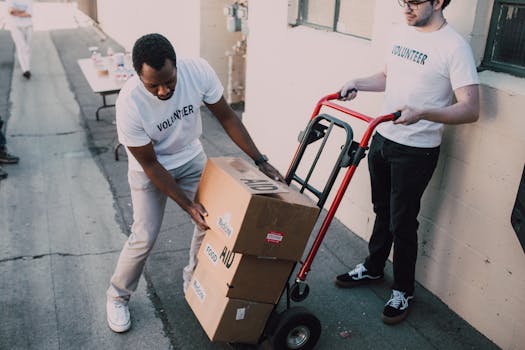 Photo: RDNE Stock project / Pexels
 Photo: RDNE Stock project / Pexels