Discover the Best Crowdfunding Platforms for Nonprofits
best crowdfunding platforms for nonprofits

Discover the Best Crowdfunding Platforms for Nonprofits

Unlock your organization's fundraising potential with the right platform to connect with donors and achieve your goals.

Find Your Platform

Key Takeaways

  • ✓ Crowdfunding can increase donor reach by up to 500% compared to traditional methods.
  • ✓ Platforms often offer lower fees for nonprofits than for-profit campaigns.
  • ✓ Mobile optimization is crucial; over 50% of online donations are made on mobile devices.
  • ✓ Peer-to-peer fundraising features significantly boost campaign success rates.

How It Works

1
Identify Your Needs

Assess your nonprofit's specific fundraising goals, technical capabilities, and budget. Consider features like peer-to-peer, recurring donations, and event integration.

2
Research & Compare Platforms

Dive into the features, pricing models, and support offered by various crowdfunding platforms. Look for those specializing in or heavily supporting nonprofit organizations.

3
Set Up Your Campaign

Create a compelling campaign page with a clear story, engaging visuals, and a defined fundraising goal. Ensure your call to action is prominent and persuasive.

4
Promote & Engage

Share your campaign widely across social media, email, and your website. Engage with donors, provide regular updates, and express gratitude to foster a strong community.

Understanding Crowdfunding for Nonprofit Fundraising
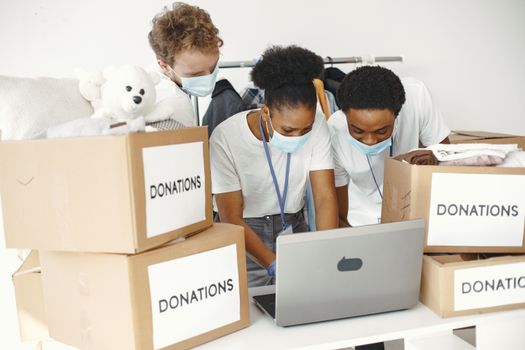
Group of volunteers wearing masks sorting donations with a laptop, promoting diversity and teamwork. Photo: Gustavo Fring / Pexels
In today's digital age, the landscape of nonprofit fundraising has undergone a significant transformation. Traditional methods, while still valuable, are increasingly complemented, and sometimes even overshadowed, by online strategies. Among these, crowdfunding has emerged as a powerful and accessible tool for nonprofits of all sizes, offering an unprecedented ability to reach a global audience of potential donors. But what exactly is crowdfunding in the context of a nonprofit, and why has it become so indispensable? At its core, crowdfunding for nonprofits involves raising small amounts of money from a large number of people, typically via the internet. Instead of relying on a few large grants or major donors, nonprofits can tap into the collective generosity of their community, both local and online. This model democratizes fundraising, allowing individuals to contribute to causes they care about, often with relatively small donations that, when combined, can lead to substantial financial support. The benefits extend beyond just financial gain. Crowdfunding campaigns inherently build awareness for your cause. Each share, like, and comment on social media acts as an endorsement, extending your reach far beyond your immediate network. This organic amplification is invaluable for smaller nonprofits that may lack the resources for extensive marketing campaigns. Furthermore, it fosters a sense of community and direct engagement. Donors feel more connected to the mission when they can see their contributions directly impacting a specific project or need. This transparency and direct line of communication can cultivate a loyal donor base, turning one-time givers into long-term supporters. Learn more about building donor relationships. However, not all crowdfunding platforms are created equal, especially when it comes to the unique needs of nonprofit organizations. For-profit crowdfunding sites might have different fee structures, fewer tailored features, or less robust reporting capabilities that are crucial for compliance and donor management in the nonprofit sector. The best crowdfunding platforms for nonprofits understand these nuances, offering features like recurring donations, peer-to-peer fundraising tools, CRM integrations, and dedicated support for tax-exempt organizations. They prioritize ease of use for both the nonprofit and the donor, ensuring a seamless giving experience that encourages generosity rather than deterring it with complex processes. Choosing the right platform is not merely about finding a place to collect money; it's about selecting a strategic partner that can help you tell your story effectively, engage your community, and ultimately, achieve your mission with greater impact. This guide will delve into the leading options, helping you navigate the choices and make an informed decision for your organization.

Top Contenders: Features That Define the Best Crowdfunding Platforms for Nonprofits
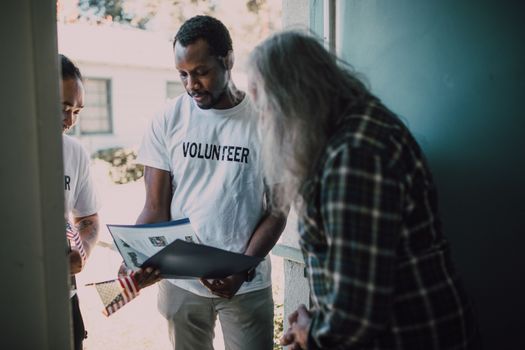
Volunteers visit a home to provide community support and discuss documents. Photo: RDNE Stock project / Pexels
When evaluating the best crowdfunding platforms for nonprofits, a discerning eye towards specific features is paramount. The ideal platform isn't just a donation button; it's a comprehensive fundraising ecosystem designed to amplify your message and streamline your operations. One of the most critical features is a robust peer-to-peer (P2P) fundraising capability. P2P empowers your supporters to become fundraisers on your behalf, leveraging their personal networks to solicit donations. This method not only expands your reach exponentially but also taps into the credibility and trust that personal recommendations carry. Platforms that offer easy-to-set-up P2P campaign pages, customizable fundraising goals for individuals, and clear progress tracking are invaluable. Another non-negotiable feature is the ability to handle recurring donations. While one-time gifts are wonderful, sustained support through monthly or annual donations provides nonprofits with predictable revenue, essential for long-term planning and stability. The best platforms make it simple for donors to opt-in for recurring gifts and for nonprofits to manage these subscriptions, including offering flexible payment options and easy modification by the donor. Beyond P2P and recurring giving, look for platforms that provide comprehensive data and reporting. Understanding donor behavior, campaign performance, and financial metrics is crucial for optimizing future fundraising efforts and demonstrating accountability to your board and stakeholders. Detailed dashboards, exportable reports, and integrations with CRM systems (like Salesforce or Blackbaud) are indicators of a sophisticated and helpful platform. Customization and branding are also key. Your campaign page should reflect your organization's identity, maintaining a consistent brand image that builds trust and recognition. Platforms that allow extensive customization of colors, logos, images, and text without requiring advanced coding skills are highly beneficial. Furthermore, mobile responsiveness is no longer a luxury but a necessity. A significant portion of online giving occurs via smartphones and tablets, so your chosen platform must offer a seamless, intuitive experience across all devices. This includes easy donation forms, clear calls to action, and engaging visuals that load quickly. Finally, consider the level of customer support and resources provided. Dedicated nonprofit support, extensive knowledge bases, webinars, and best practice guides can be instrumental in ensuring your campaigns run smoothly and achieve their full potential.

Strategic Selection: Choosing the Right Platform for Your Nonprofit

Navigating the myriad of options to identify the best crowdfunding platforms for nonprofits requires a strategic approach. It's not about finding the 'best' in an absolute sense, but rather the 'best fit' for your unique organization, its mission, and its resources. The first step involves a candid internal assessment: what are your primary fundraising goals for the next year? Are you looking to fund a specific project, build an emergency reserve, or cultivate a broader base of small-dollar donors? Your objectives will heavily influence the features you prioritize in a platform. For instance, if you're launching a time-sensitive emergency relief campaign, you'll need a platform known for rapid deployment and viral sharing capabilities. If your goal is long-term donor cultivation, robust CRM integrations and recurring giving options become paramount. Next, meticulously evaluate the fee structure. While some platforms boast '0% platform fees,' they often pass transaction processing fees (typically 2.2% + $0.30 per transaction for credit cards) onto the donor or the nonprofit. Understand how these fees are calculated, who bears the cost, and if there are any additional monthly or annual subscription fees. Transparency in pricing is crucial to avoid unexpected deductions from your hard-earned donations. Some platforms offer tiered pricing based on features or donation volume, so ensure the chosen tier aligns with your budget and anticipated fundraising scale. Don't shy away from asking for detailed breakdowns or negotiating if your nonprofit has significant fundraising potential. Explore effective nonprofit budgeting strategies. Consider the user experience for both your team and your donors. For your team, the platform should be intuitive to set up and manage, with clear reporting and administrative tools. A steep learning curve can be a significant drain on staff time and resources. For donors, the giving process must be simple, secure, and fast. Any friction points – complex forms, slow loading times, or confusing navigation – can lead to abandoned donations. Test the donation process yourself across different devices before committing. Finally, look at the platform's reputation and track record, especially with other nonprofits similar to yours. Read reviews, seek testimonials, and inquire about their security measures. A platform that prioritizes data security and donor privacy is non-negotiable. By carefully weighing these factors, you can make an informed decision that empowers your nonprofit to fundraise effectively and sustainably.

Maximizing Impact: Tips and Common Mistakes with Crowdfunding Platforms

Leveraging the best crowdfunding platforms for nonprofits effectively goes beyond just selecting the right tool; it requires strategic execution and a keen understanding of common pitfalls. Here are essential tips and mistakes to avoid to maximize your impact: **Tips for Success:** * **Tell a Compelling Story:** People donate to stories, not just statistics. Clearly articulate the problem, how your organization provides a solution, and the direct impact a donor's contribution will have. Use vivid language, emotional appeals, and personal anecdotes. * **High-Quality Visuals:** Include engaging photos and videos. A short, impactful video explaining your mission and campaign goal can significantly boost donor engagement and conversion rates. * **Clear Call to Action (CTA):** Make it explicitly clear what you want donors to do. Use strong action verbs like 'Donate Now,' 'Support Our Cause,' or 'Fund a Future.' * **Set Achievable Goals:** While it's good to dream big, setting an initial, achievable fundraising goal can build momentum and encourage more donations once it's met. You can always raise the goal later. * **Promote Extensively:** Don't just launch and hope. Share your campaign across all your communication channels: email newsletters, social media (Facebook, Instagram, Twitter, LinkedIn), your website, and even local community groups. Encourage your board and volunteers to share as well. * **Regular Updates & Gratitude:** Keep donors informed about your progress and how their money is being used. Send personalized thank-you messages promptly. This builds trust and encourages future giving. * **Leverage Peer-to-Peer:** Empower your most passionate supporters to create their own fundraising pages. Provide them with templates, shareable content, and clear instructions. **Common Mistakes to Avoid:** * **Ignoring Transaction Fees:** Failing to account for platform and payment processing fees can lead to a shortfall in your actual funds received. Always factor these into your fundraising goal. * **Lack of Promotion Strategy:** Launching a campaign without a robust marketing plan is like throwing a party and not inviting anyone. A well-thought-out promotion schedule is critical. * **Poor Storytelling:** A bland, generic description of your organization will fail to connect with potential donors. Focus on impact and the human element. * **No Follow-Up:** Failing to thank donors or provide updates misses a crucial opportunity to cultivate long-term relationships and future support. * **Over-reliance on One Platform:** While having a primary platform is good, diversifying your fundraising strategies and not putting all your eggs in one basket can mitigate risks. * **Complex Donation Process:** Any unnecessary steps or confusing forms will lead to donor abandonment. Keep the donation process as simple and streamlined as possible.

Comparison

FeatureGivebutter (Best Overall)Classy (Enterprise Focus)Mightycause (Budget-Friendly)
Platform Fees (Nonprofit)0% (tips encouraged)Custom (often higher)Low (varies by plan)
Transaction Fees (Credit Card)2.9% + $0.30 (can be covered by donor)2.2% - 3.5% + $0.302.2% - 2.9% + $0.30
Peer-to-Peer Fundraising✓ Robust & Free✓ Advanced✓ Standard
Recurring Donations✓ Included✓ Included✓ Included
Event Ticketing✓ Included✓ Included✗ Add-on
CRM Integration✓ Basic & Zapier✓ Advanced & Native✓ Basic & Zapier
Donor CRM✓ Built-in✓ Advanced✓ Built-in
Customer SupportExcellent (Chat, Email, Phone)Dedicated Account ManagerGood (Email, Knowledge Base)
Branding & CustomizationHighHighModerate
Mobile Optimization

What Readers Say

"Givebutter transformed our annual fundraiser. The peer-to-peer tools were incredibly intuitive for our volunteers, and we raised 30% more than last year! It's truly one of the best crowdfunding platforms for nonprofits we've used."

Sarah Chen · Austin, TX

"Classy's enterprise features have been a game-changer for our larger organization. The advanced reporting and CRM integration are unparalleled, allowing us to manage our major donors with precision and scale our campaigns effectively."

Mark Johnson · Chicago, IL

"Mightycause helped us launch our first major online campaign with minimal overhead. The platform was easy to navigate, and their support team was very responsive. We hit our initial goal in just two weeks!"

Emily Rodriguez · Miami, FL

"While we appreciate the low fees on Mightycause, we did find some of the advanced features we needed required an upgrade. Still, for smaller campaigns, it's a very solid and cost-effective option among the best crowdfunding platforms for nonprofits."

David Lee · Seattle, WA

"As a small community art non-profit, Givebutter has been a godsend. The ability for donors to cover fees means 100% of their donation goes to our programs, and the live display during our virtual event was a huge hit."

Jessica White · Denver, CO

Frequently Asked Questions

What are the typical fees associated with crowdfunding platforms for nonprofits?

Fees generally consist of two parts: platform fees and payment processing fees. Platform fees can range from 0% (with donors optionally covering them or a 'tip' model) to a percentage of the funds raised, or a monthly/annual subscription. Payment processing fees, usually around 2.2% to 3.5% plus a small per-transaction fee ($0.30), are charged by credit card companies and payment processors, not the platform itself. It's crucial to understand who bears these costs and how they are calculated.

Is it better to choose a platform specifically for nonprofits or a general crowdfunding site?

For nonprofits, it is almost always better to choose a platform specifically designed for or heavily catering to nonprofits. These platforms offer features crucial for charities, such as recurring donations, peer-to-peer fundraising, donor management tools, and specific reporting for compliance. General crowdfunding sites might have simpler interfaces but often lack the depth of features and lower fee structures tailored for charitable giving.

How do I ensure my crowdfunding campaign is successful?

Success hinges on a compelling story, high-quality visuals (especially video), a clear call to action, and extensive promotion across all your channels (email, social media, website). Engage your existing network, encourage peer-to-peer fundraising, and provide regular updates to your donors. Don't forget to express heartfelt gratitude after every donation.

Can I integrate a crowdfunding platform with my existing donor management system?

Many of the best crowdfunding platforms for nonprofits offer integrations with popular donor management or CRM systems like Salesforce, Blackbaud, or Bloomerang. Some provide native integrations, while others rely on tools like Zapier for connectivity. This allows you to sync donor data, track giving history, and maintain a unified view of your supporters, streamlining your overall fundraising efforts.

What's the difference between a 'donation' and a 'pledge' on these platforms?

A 'donation' typically refers to an immediate financial contribution made at the time of giving, where funds are processed right away. A 'pledge,' more common in traditional fundraising or specific crowdfunding models, is a promise to donate a certain amount at a future date or once a specific condition is met. Most nonprofit crowdfunding platforms focus on immediate donations rather than pledges.

Who should use the best crowdfunding platforms for nonprofits?

Any nonprofit organization, regardless of size, can benefit from using crowdfunding platforms. They are particularly effective for small to medium-sized organizations looking to expand their donor base, fund specific projects, or engage their community more actively. Larger organizations can also leverage them for specific campaigns, peer-to-peer initiatives, or to reach new demographics of givers.

How do these platforms ensure donor data security and privacy?

Reputable crowdfunding platforms employ robust security measures, including SSL encryption for all transactions, PCI DSS compliance for credit card processing, and often Two-Factor Authentication (2FA) for account access. They adhere to strict privacy policies, outlining how donor data is collected, stored, and used. Always check a platform's security and privacy statements before committing.

What are the emerging trends in nonprofit crowdfunding?

Emerging trends include the rise of hybrid fundraising events (combining virtual and in-person elements), increased emphasis on peer-to-peer fundraising, greater personalization in donor outreach, and the integration of AI for donor insights and automated communications. Micro-donations and gamification to encourage giving are also gaining traction, making fundraising more engaging and accessible.

Selecting the best crowdfunding platforms for nonprofits is a strategic decision that can significantly elevate your fundraising success. Take the time to evaluate your needs, compare features, and choose a partner that aligns with your mission. Start exploring today to unlock new avenues of support and amplify your impact.

Topics: best crowdfunding platforms for nonprofitsnonprofit fundraising platformscharity crowdfunding sitesonline giving for charitiesnonprofit donation platforms
Leo List
Brampton weed
Adultwork