
Discover the Best CRM for Nonprofits: Your Ultimate Guide
Streamline operations, deepen donor relationships, and amplify your mission with the perfect CRM solution.
Find Your Ideal CRMKey Takeaways
- ✓ A CRM centralizes donor data, communication, and fundraising efforts.
- ✓ Specialized nonprofit CRMs offer features like grant tracking and volunteer management.
- ✓ Choosing the right CRM can significantly boost donor retention and engagement.
- ✓ Scalability and integration with existing tools are crucial considerations.
How It Works
Identify your specific challenges in donor management, fundraising, and outreach. This includes current pain points and future growth aspirations.
Explore various CRM options tailored for nonprofits, comparing features, pricing, and user reviews. Look for systems that align with your budget and technical capabilities.
Test the selected CRM with a small team to ensure it meets expectations before full rollout. Develop a clear implementation plan, including data migration and staff training.
Continuously monitor CRM performance, gather user feedback, and adapt its use to maximize benefits. Regularly update your strategies to leverage new features and enhance donor engagement.
Understanding the Core Value of CRM for Nonprofit Organizations
 Photo: RDNE Stock project / Pexels
Key Features to Look for in the Best CRM for Nonprofits
 Photo: RDNE Stock project / Pexels
Top Contenders: Exploring Leading CRM Solutions for Nonprofits in the US
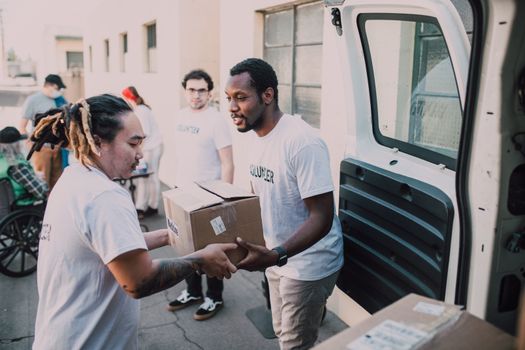 Photo: RDNE Stock project / Pexels
Maximizing Your CRM Investment: Best Practices and Common Mistakes to Avoid
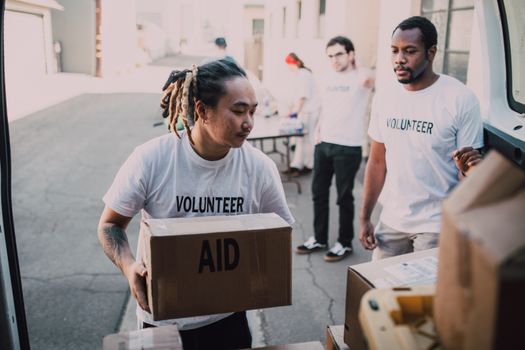 Photo: RDNE Stock project / Pexels
Comparison
| Feature | Salesforce NPSP | Bloomerang | Neon One |
|---|---|---|---|
| Target Size | Mid to Large | Small to Mid | Small to Mid |
| Customization | Extensive | Moderate | Moderate |
| Donor Retention Focus | High | Very High | High |
| Price Point | Higher (complex) | Mid-range | Mid-range |
| Learning Curve | Steep | Gentle | Moderate |
| Volunteer Management | ✓ | ✗ (via integration) | ✓ |
| Grant Tracking | ✓ | Basic | ✓ |
| Website Integration | Via API/Apps | Built-in forms | Extensive |
What Readers Say
"Switching to this CRM was the best decision for our small animal rescue. We finally have all donor interactions in one place, which has made our fundraising appeals so much more personal and effective. Our volunteer coordination is also dramatically smoother, saving countless hours."
Maria Rodriguez · Austin, TX"As a medium-sized educational charity, we needed a CRM that could scale with us. The system we chose allowed us to segment our alumni and parent donors with incredible precision, leading to a 30% increase in our annual giving campaign this year. It's truly the best CRM for nonprofits focused on growth."
David Chen · Chicago, IL"Our previous system was a mess of spreadsheets. This new CRM streamlined our grant tracking and reporting, ensuring we never miss a deadline. The automated thank-you emails have also significantly improved our donor stewardship, resulting in higher donor retention rates."
Sarah Goldberg · Seattle, WA"While the initial setup was a bit challenging due to our complex data, the long-term benefits are undeniable. The ability to track every interaction with our major donors has deepened our relationships and improved our solicitation success. I only wish the onboarding was slightly more intuitive."
Mark Thompson · Atlanta, GA"For our youth development program, engaging with parents and community partners is just as crucial as donor outreach. This CRM handles all stakeholder relationships beautifully, allowing us to manage event registrations and program enrollments alongside donations, all in one cohesive platform."
Jessica Lee · Denver, COFrequently Asked Questions
What is the primary benefit of using the best CRM for nonprofits?
The primary benefit is the ability to centralize and organize all constituent data (donors, volunteers, beneficiaries) in one place. This leads to more personalized communication, streamlined fundraising efforts, improved donor retention, and data-driven decision-making, ultimately amplifying your mission's impact.
Are nonprofit CRMs expensive for small organizations?
Not necessarily. While some enterprise-level CRMs can be costly, many providers offer tiered pricing, discounted rates for nonprofits, or even free basic versions. There are excellent, affordable options specifically designed for small organizations that prioritize ease of use and essential features. It's crucial to compare total cost of ownership, including implementation and training.
How do I migrate my existing donor data into a new CRM?
Data migration typically involves exporting your existing data (often from spreadsheets or older databases) into a CSV or Excel format. You then map this data to the fields in your new CRM and import it. Many CRM providers offer migration tools, guides, or professional services to assist with this crucial step, ensuring data integrity and minimizing errors.
What is the typical cost range for the best CRM for nonprofits?
The cost can vary widely, from free (with limited features) to thousands of dollars per month for enterprise solutions. Most mid-range nonprofit CRMs charge per user per month, often ranging from $50 to $200 per user, with additional costs for advanced features or higher data storage. Always inquire about nonprofit discounts and compare total annual costs, not just monthly fees.
How does a nonprofit CRM differ from a general business CRM?
A nonprofit CRM is specifically tailored to the unique needs of mission-driven organizations. It includes features like donor management, pledge tracking, grant management, volunteer coordination, and fundraising campaign tools that are absent or less developed in general business CRMs. It also often integrates with nonprofit-specific tools and understands the nuances of donor stewardship versus customer sales.
Who should be involved in choosing the best CRM for nonprofits?
A diverse team should be involved, including representatives from fundraising, marketing/communications, program management, finance, and IT (if applicable). Key decision-makers, executive leadership, and potential end-users should all provide input to ensure the chosen system meets the needs of various departments and aligns with organizational goals.
Is my donor data safe with a cloud-based nonprofit CRM?
Reputable cloud-based CRM providers employ robust security measures, including data encryption, regular backups, secure servers, and compliance with privacy regulations (like GDPR or HIPAA if applicable). Always verify a vendor's security protocols and data privacy policies to ensure your sensitive donor information is protected.
What are future trends for the best CRM for nonprofits?
Future trends include greater integration of AI for personalized donor engagement and predictive analytics, enhanced mobile accessibility for on-the-go fundraising, deeper integration with social media platforms, and more sophisticated automation capabilities to further streamline operations and free up staff time for direct impact work.
Choosing the best CRM for nonprofits is a strategic decision that can profoundly impact your organization's ability to fulfill its mission. By carefully evaluating your needs, exploring leading solutions, and implementing best practices, you can unlock unparalleled efficiency, forge stronger donor relationships, and amplify your positive change in the world. Start your journey today and empower your nonprofit for enduring success.