Unlocking Impact: The Benefits of Volunteering for Nonprofits

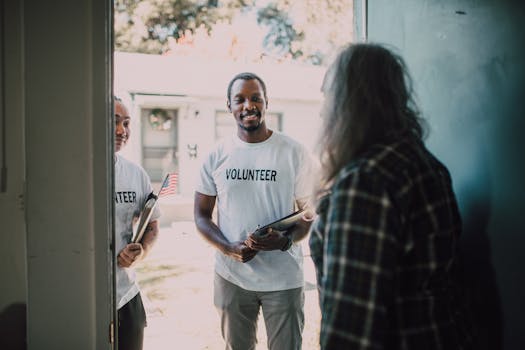
Two diverse volunteers, holding documents, visit a home to offer community support and services.Photo: RDNE Stock project / Pexels

Unlocking Impact: The Benefits of Volunteering for Nonprofits

Transform lives and communities while gaining invaluable personal and professional rewards by dedicating your time.

Find Your Cause

Key Takeaways

  • ✓ Over 60 million Americans volunteer annually, contributing billions of hours to various causes.
  • ✓ Volunteering can significantly improve mental and physical health, reducing stress and increasing happiness.
  • ✓ 80% of volunteers report that their service has enhanced their sense of purpose and self-worth.
  • ✓ Nonprofits rely heavily on volunteers, with their contributions often equaling millions in operational costs.

How It Works

1
Identify Your Passions & Skills

Consider what causes resonate with you and what unique talents or experiences you can bring to a nonprofit. This alignment ensures a fulfilling and impactful volunteer experience.

2
Research Local Nonprofits

Explore organizations in your community or online that align with your interests. Look at their mission, values, and the specific volunteer opportunities they offer.

3
Connect & Apply

Reach out to your chosen nonprofits to express interest and learn about their application process. Many have online forms, orientation sessions, or direct contact methods.

4
Engage & Make a Difference

Commit to your role, participate actively, and embrace the opportunity to contribute. Your dedication directly supports the nonprofit's mission and the community it serves.

Personal Growth and Skill Development Through Service
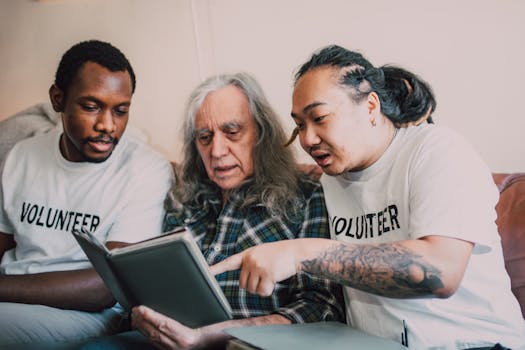
Volunteers assisting an elderly man with a photo album, demonstrating community support and multiculturalism.Photo: RDNE Stock project / Pexels
Volunteering for nonprofits offers a unique pathway to profound personal growth and invaluable skill development. It's not merely about giving your time; it's about investing in yourself while simultaneously investing in your community. When you step into a volunteer role, you're often exposed to new environments, challenges, and responsibilities that push you beyond your comfort zone. This exposure naturally fosters resilience, adaptability, and problem-solving abilities that are highly transferable to all aspects of life. For instance, managing an event for a local food bank might hone your organizational and logistical skills, while tutoring underprivileged children could enhance your communication and patience. These are tangible skills that can be added to a resume, but more importantly, they build character and confidence. Beyond practical skills, volunteering cultivates a deeper sense of empathy and understanding. Engaging with diverse populations and witnessing firsthand the challenges they face broadens your perspective. This enhanced empathy can lead to improved interpersonal relationships and a greater capacity for compassion. Many volunteers report a significant boost in their self-esteem and sense of purpose, knowing that their efforts are contributing to something larger than themselves. The act of helping others often provides a profound sense of satisfaction and happiness, reducing stress and combating feelings of isolation. Moreover, volunteering can be a fantastic way to explore new career paths or hobbies without the pressure of a full-time commitment. It provides hands-on experience in various fields, from marketing and finance to social work and environmental conservation. This experiential learning can be far more impactful than theoretical study, offering real-world insights and connections. The continuous learning curve inherent in many volunteer roles ensures that you are constantly expanding your knowledge base and refining your abilities, making you a more well-rounded individual. Understanding the core mission of a nonprofit allows volunteers to align their personal values with their actions, leading to a more meaningful and impactful experience for everyone involved.

Enhanced Mental and Physical Well-being for Volunteers

The positive impact of volunteering extends far beyond the beneficiaries of a nonprofit's mission; it significantly enhances the mental and physical well-being of the volunteers themselves. Numerous studies have demonstrated a strong correlation between volunteering and improved health outcomes. Mentally, engaging in altruistic activities can be a powerful antidote to stress, anxiety, and even depression. The act of focusing on others' needs shifts attention away from personal worries, providing a sense of perspective and accomplishment. The social interaction inherent in most volunteer roles also combats loneliness and fosters a sense of belonging. Building connections with fellow volunteers and those you serve creates a supportive community, which is crucial for mental health. Feeling valued and contributing to a collective goal can boost mood and overall life satisfaction. Physically, volunteering often involves active engagement, which can translate into increased physical activity. Whether it's helping with a community garden, participating in a charity run, or assisting with cleanup efforts, many volunteer opportunities require movement and exertion. This can contribute to better cardiovascular health, improved strength, and increased energy levels. Even less physically demanding roles, such as administrative tasks or tutoring, require mental engagement that can keep cognitive functions sharp. The sense of purpose derived from volunteering has been linked to a longer lifespan and a reduced risk of developing chronic diseases. When individuals feel they are making a difference, their bodies often respond positively, with lower levels of inflammation and a stronger immune system. The overall reduction in stress associated with giving back also has widespread physiological benefits. Essentially, by giving your time, you are also giving your body and mind a powerful boost, reinforcing the idea that helping others is a form of self-care. This holistic approach to well-being underscores why volunteering is not just a selfless act, but a profoundly beneficial one for the individual.

Building Stronger Communities and Professional Networks

Volunteering for nonprofits is a cornerstone of community building and an exceptional avenue for expanding professional networks. At its heart, community service weaves a stronger social fabric, bringing together individuals from diverse backgrounds who share a common commitment to a cause. This collective effort fosters a sense of unity and shared responsibility, directly addressing local needs and improving the quality of life for everyone. When people dedicate their time to initiatives like neighborhood cleanups, youth mentorship programs, or supporting local shelters, they are actively investing in the well-being and resilience of their community. These actions create tangible improvements and also cultivate a spirit of generosity and mutual support, which are vital for a thriving society. The relationships forged through shared service often extend beyond the volunteer activity itself, creating lasting friendships and a more cohesive community. From a professional standpoint, volunteering is an unparalleled networking tool. It exposes you to individuals from various professions, industries, and walks of life whom you might not otherwise encounter. These connections can be invaluable for career development, opening doors to mentorship opportunities, job leads, or collaborative projects. Imagine working alongside a CEO at a food drive or a marketing director during a fundraising campaign – these interactions provide authentic opportunities to showcase your skills, work ethic, and passion in a low-pressure environment. Unlike traditional networking events, volunteering allows for deeper, more meaningful connections built on shared values and a common purpose. Recruiters and employers often view volunteer experience favorably, as it demonstrates initiative, teamwork, leadership potential, and a commitment to civic engagement. It can fill resume gaps, provide relevant experience for career changers, or simply add a compelling dimension to an existing professional profile. Nonprofit organizations themselves benefit immensely from this network of dedicated individuals, extending their reach and impact. The skills learned and connections made through volunteering are not just beneficial for personal growth but are powerful assets for professional advancement and community betterment.

Maximizing Your Volunteer Impact: Tips for Success

To truly unlock the extensive benefits of volunteering for nonprofits, it's essential to approach the experience strategically. Simply showing up is a good start, but maximizing your impact – and your personal gains – requires a bit more intentionality. Here are some key tips to ensure your volunteer journey is as rewarding and effective as possible: * **Align with Your Values:** Choose a cause that genuinely resonates with you. When you're passionate about the mission, your commitment will be stronger, and your contributions more heartfelt and effective. This also ensures a more fulfilling experience for you. * **Be Reliable and Punctual:** Nonprofits often operate with limited resources and tight schedules. Your reliability is crucial. Show up on time, complete your commitments, and communicate clearly if there are any changes to your availability. Consistency builds trust and allows the organization to depend on your support. * **Communicate Effectively:** Don't be afraid to ask questions, offer suggestions, or clarify tasks. Open communication with staff and fellow volunteers ensures everyone is on the same page and helps to identify areas where your skills might be best utilized. Provide feedback, but also be open to receiving it. * **Be Proactive and Take Initiative:** Look for ways to contribute beyond your assigned tasks. If you see a need and have the capacity to help, offer your assistance. This demonstrates initiative and can lead to expanded roles and greater impact. However, always ensure your proactive steps align with the organization's goals. * **Embrace Learning and Flexibility:** Every volunteer role is an opportunity to learn new skills or refine existing ones. Be open to new tasks, even if they're outside your initial comfort zone. Nonprofits often face dynamic situations, so a flexible attitude is highly valued. Be prepared to adapt to changing needs or priorities. * **Respect Boundaries and Privacy:** You may encounter sensitive information or vulnerable individuals. Maintain confidentiality and respect the privacy of clients and the organization. Adhere to all ethical guidelines and policies set by the nonprofit. * **Document Your Contributions:** Keep a record of your volunteer hours, the skills you've used or developed, and any significant achievements. This can be useful for resumes, personal reflection, and even for the nonprofit's reporting purposes. * **Spread the Word:** Become an ambassador for the cause. Share your positive experiences with friends, family, and your social networks. Encourage others to volunteer or support the nonprofit, amplifying its reach and impact.

Comparison

AspectFormal VolunteeringInformal VolunteeringMonetary DonationSkill-Based Volunteering
Time CommitmentStructured, regularFlexible, ad-hocNoneStructured, project-based
Skill UtilizationVaries, can be specificGeneral assistanceNoneHighly specialized
Personal InteractionHighMediumLowHigh
Networking PotentialHighMediumLowVery High
Direct Impact VisibilityHighMediumLowHigh
Resume Enhancement
FlexibilityLow to MediumHighHighMedium

What Our Readers Say

5 ★★★★★

"Volunteering at the local animal shelter has been incredibly rewarding. The benefits of volunteering for nonprofits truly shine through in the connections you make and the real difference you see in the animals' lives. It's boosted my mood significantly."

5 ★★★★★

"As a retired engineer, I found new purpose volunteering for a STEM education nonprofit. The benefits of volunteering for nonprofits aren't just for the organization; I've gained new friendships and kept my mind sharp. Highly recommend finding a cause you love."

5 ★★★★★

"After months of feeling isolated, I started volunteering at a community garden. Within weeks, I felt more connected and happier. The physical activity and social interaction are amazing benefits of volunteering for nonprofits. My mental health has improved dramatically."

4 ★★★★☆

"I've learned so much about event planning by helping out at a local arts nonprofit. While the time commitment can be demanding at times, the professional skills I've gained and the sense of accomplishment are undeniable benefits of volunteering for nonprofits."

5 ★★★★★

"Working with a literacy program has shown me the profound impact a few hours can make. The joy on a child's face when they read a new word is priceless. These are the true benefits of volunteering for nonprofits – making a tangible difference in someone's life."

Frequently Asked Questions

What are the most significant benefits of volunteering for nonprofits?
The most significant benefits include personal growth and skill development, enhanced mental and physical well-being, the opportunity to build stronger communities and professional networks, and the profound satisfaction of making a tangible difference in the world. Volunteers often report increased happiness, reduced stress, and a greater sense of purpose.
I'm worried I don't have enough time to volunteer regularly. Are there flexible options?
Absolutely! Many nonprofits offer extremely flexible volunteer opportunities, ranging from one-off events and short-term projects to virtual roles that can be done from home. Don't let time constraints deter you; communicate your availability, and most organizations will work with you to find a suitable role.
How do I find a nonprofit that aligns with my interests and skills?
Start by identifying causes you're passionate about, then use online platforms like VolunteerMatch.org or Idealist.org to search for local opportunities. You can also contact local community centers, libraries, or specific nonprofits directly. Don't hesitate to reach out and ask about their needs and how your skills might fit.
Is volunteering truly valuable if I can only commit a few hours a month?
Every hour counts! Even a few hours a month can provide crucial support to nonprofits, whether it's helping with administrative tasks, participating in a specific project, or offering specialized skills. Consistent, even if limited, contributions are highly valued and collectively make a significant impact.
How does volunteering compare to simply donating money to a nonprofit?
While monetary donations are vital for a nonprofit's operations, volunteering offers distinct benefits. It provides direct engagement, personal growth, skill development, and networking opportunities that financial contributions do not. Both are essential forms of support, but volunteering adds a deeply personal and experiential dimension to your contribution.
Who should consider volunteering for nonprofits?
Anyone looking to make a positive impact, develop new skills, meet like-minded people, boost their mental and physical health, or explore new career paths should consider volunteering. It's beneficial for students, professionals, retirees, and anyone seeking a sense of purpose and connection.
Are there any risks associated with volunteering for nonprofits?
Generally, risks are minimal. Nonprofits typically prioritize volunteer safety and conduct background checks for roles involving vulnerable populations. They also provide necessary training and supervision. Always ensure the organization is reputable and that you feel comfortable and safe in your assigned role.
What is the future trend for volunteering with nonprofits?
The future of volunteering is increasingly leaning towards skill-based volunteering, virtual opportunities, and micro-volunteering, allowing for greater flexibility and broader participation. Technology will continue to connect volunteers with causes globally, making it easier than ever to contribute your time and talent to nonprofits.

Embrace the profound benefits of volunteering for nonprofits today. Your time, skills, and passion are invaluable assets that can transform lives, strengthen communities, and enrich your own journey. Find your cause and start making a difference now.

Topics: benefits of volunteering for nonprofitsvolunteer impactcommunity service advantagespersonal growth through volunteeringnonprofit support
Leo List
Brampton weed
Adultwork