Beginner's Guide: Responsible Cannabis Use for Well-being
July 31, 2026 16 min read 3,211 words
Navigate the world of cannabis responsibly, safely, and mindfully for a positive and informed experience.
Start Your Journey
Understanding Cannabis: The Essentials of Safe Consumption
 Photo: Alesia Kozik / Pexels
As cannabis becomes increasingly accessible across the United States, understanding its nuances is paramount for responsible use. This isn't just about legality; it's about personal safety, health, and making informed choices that contribute to overall well-being. For beginners, the sheer volume of information, product types, and consumption methods can be overwhelming. Our goal is to demystify this complex landscape, offering clear, actionable guidance grounded in the principles of harm reduction and mindful engagement. Responsible cannabis use begins with education. Before considering any form of consumption, it's vital to grasp the fundamental components of the cannabis plant, primarily cannabinoids such as Tetrahydrocannabinol (THC) and Cannabidiol (CBD). THC is the primary psychoactive compound responsible for the 'high' associated with cannabis, while CBD is non-psychoactive and is often sought for its therapeutic potential. The ratio and concentration of these compounds vary significantly between different strains and products, directly impacting the user's experience. Understanding these differences allows you to select products that align with your desired effects and tolerance levels.
Beyond cannabinoids, terpenes are aromatic compounds found in cannabis that contribute to its distinctive scent and flavor, and are believed to modulate the effects of cannabinoids through what is known as the 'entourage effect.' Research into terpenes is ongoing, but their presence can influence whether a strain feels more energizing or relaxing. Knowing about common terpenes like Myrcene, Limonene, and Pinene can help you make more personalized choices. Furthermore, different consumption methods offer varying onset times, durations, and intensities of effects. Inhalation methods, such as smoking or vaping, deliver cannabinoids to the bloodstream quickly, with effects typically felt within minutes and lasting a few hours. Edibles, on the other hand, involve a slower onset, often taking 30 minutes to two hours to feel effects, but these effects can be more intense and last much longer, sometimes up to eight hours or more. Tinctures and topicals represent other methods, each with their own unique characteristics regarding absorption and impact. For a deeper dive into the science behind cannabis and its effects, consider exploring resources from reputable organizations like the National Institute on Drug Abuse (NIDA) or medical cannabis research centers.
Starting your journey with cannabis requires a cautious and experimental approach. The mantra 'start low, go slow' is arguably the most crucial piece of advice for beginners. This means beginning with a very small dose – for instance, a single puff of a vape, a tiny portion of an edible, or a low-milligram tincture – and waiting patiently to observe its effects before considering more. This waiting period is critical, especially with edibles, where the delayed onset can lead to accidental overconsumption if one assumes the initial dose wasn't effective. Everyone's body chemistry, tolerance, and sensitivity to cannabis are unique, meaning what works for one person may be too much or too little for another. Factors such as body weight, metabolism, previous experience, and even mood can influence the experience. Keeping a journal of your experiences, noting the product type, dosage, consumption method, and observed effects, can be an invaluable tool for understanding your personal response and refining your approach to responsible use. This systematic approach allows you to gradually discover your optimal dose and preferred products, minimizing the risk of uncomfortable or overwhelming experiences. For more information on harm reduction strategies, visit
our harm reduction page.
Navigating Legalities and Personal Boundaries with Cannabis
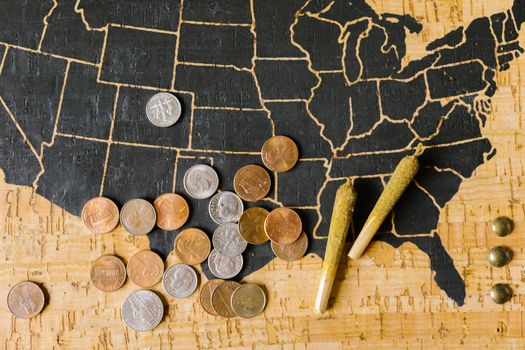 Photo: RDNE Stock project / Pexels
The legal landscape surrounding cannabis in the United States is a patchwork of state and local regulations, making it critically important for every user to be fully aware of the laws governing their specific location. What is legal in one state, such as recreational use in Colorado or California, might be strictly prohibited in a neighboring state. These laws dictate everything from the legal age for consumption and possession limits to where cannabis can be purchased and consumed. For instance, even in states where recreational cannabis is legal, public consumption is almost universally prohibited, and driving under the influence of cannabis carries severe penalties akin to those for alcohol. Understanding these legal nuances is not just about avoiding fines or legal trouble; it’s about being a responsible citizen and respecting the regulations designed to ensure public safety and order. Before consuming cannabis, especially when traveling, always research the current laws of your destination. Reputable government websites or state cannabis control boards are excellent resources for accurate and up-to-date information.
Beyond legal considerations, establishing personal boundaries and practicing mindful consumption are cornerstones of responsible cannabis use. This involves reflecting on your reasons for using cannabis and setting clear intentions. Are you seeking relaxation, pain relief, creative inspiration, or social enhancement? Understanding your motivations can help you choose appropriate products and dosages. Mindful consumption also means being present and aware during your cannabis experience, rather than using it as a way to escape or numb difficult emotions. If cannabis becomes a primary coping mechanism for stress, anxiety, or other challenges, it may indicate a need to reassess your relationship with the substance and explore alternative strategies or professional support.
Creating a safe and controlled environment for consumption is another crucial aspect of responsible use. This means choosing a comfortable, familiar setting where you feel secure and have no immediate responsibilities that could be compromised. Avoid consuming cannabis in situations where you might feel anxious, pressured, or where you need to be fully alert. Informing a trusted friend or partner about your plans, especially if you are trying a new product or higher dose, can also add an extra layer of safety. This person can provide support if you experience any adverse effects or simply offer companionship during your experience.
Regularly assessing your relationship with cannabis is also a vital part of responsible use. Ask yourself if cannabis is enhancing your life or detracting from it. Are you maintaining your responsibilities, relationships, and personal goals? If you find yourself consistently prioritizing cannabis use over other important aspects of your life, or if you experience withdrawal symptoms when you try to cut back, it might be time to seek professional guidance. Many resources are available, including counseling services and support groups, that can help you navigate these challenges in a healthy and constructive way. Remember, responsible use is about empowerment and making choices that genuinely serve your well-being, not just conforming to external rules. It's a continuous process of self-awareness and adaptation.
Understanding the legal age for consumption is non-negotiable. In states where cannabis is legal, the minimum age for recreational use is 21, mirroring alcohol laws. Providing cannabis to minors is a serious offense with severe legal consequences. Furthermore, consider the social etiquette of cannabis use. Just as with alcohol, it's generally not appropriate to consume cannabis in environments where it might be unwelcome or where children are present. Be discreet and respectful of those around you, and always ask for permission before consuming cannabis in someone else's home or property. These practices not only promote individual responsibility but also contribute to a more positive public perception of cannabis use. Finally, never drive or operate heavy machinery after consuming cannabis. Impaired driving is dangerous and illegal, regardless of the substance. Always arrange for a designated driver, use ride-sharing services, or simply wait until the effects have fully worn off before getting behind the wheel. Your safety and the safety of others depend on it.
See also: mj420.delivery.
Harm Reduction and Mindful Practices for a Positive Cannabis Experience
 Photo: Alesia Kozik / Pexels
Harm reduction is a public health strategy that aims to minimize the negative consequences associated with drug use, rather than strictly prohibiting it. When applied to cannabis, harm reduction principles empower individuals to make safer choices, reduce risks, and protect their health and well-being. For beginners, understanding and implementing these principles is crucial for developing a sustainable and positive relationship with cannabis. One of the most fundamental harm reduction strategies is understanding dosage and potency. Cannabis products come with varying levels of THC and CBD, often expressed as percentages or milligrams. A product with 20% THC is significantly more potent than one with 10% THC. Similarly, an edible containing 10mg of THC will have a different effect than one with 5mg. Always check product labels carefully and start with the lowest possible dose, especially when trying a new product or a different consumption method. Waiting at least two hours for edibles to take effect before considering another dose is a golden rule that can prevent uncomfortable experiences.
Another key aspect of harm reduction involves considering your mental and physical health. Cannabis can interact with certain medications and may exacerbate existing mental health conditions for some individuals. If you have a history of anxiety, depression, psychosis, or other mental health concerns, or if you are taking prescription medications, it is essential to consult with a healthcare professional before using cannabis. They can provide personalized advice and help you understand potential risks or interactions. Similarly, if you are pregnant or breastfeeding, cannabis use is strongly discouraged due to potential risks to the fetus or infant. Transparency with your doctor about your cannabis use allows for comprehensive and safe healthcare.
Our resources on health and cannabis offer further guidance on this topic.
Safe storage is paramount, particularly in households with children or pets. Cannabis products, especially edibles that often resemble candies or baked goods, can be highly appealing and dangerous if accidentally ingested by minors or animals. Always store all cannabis products, including flower, concentrates, and edibles, in child-resistant containers and in a secure location that is out of reach and sight. Consider using a locked cabinet or a safe. Clearly label all products to avoid confusion with non-cannabis items. Furthermore, never leave cannabis products unattended in public spaces or where they could be easily accessed by others.
Mindful consumption extends beyond just dosage and environment; it encompasses the entire experience. This includes being aware of your surroundings, your mood, and your intentions before, during, and after cannabis use. Avoid using cannabis when you are feeling stressed, anxious, or upset, as this can amplify negative feelings or lead to an uncomfortable experience. Instead, choose times when you are relaxed, in a positive mindset, and in a comfortable setting. Engage in activities that you enjoy while sober, such as listening to music, engaging in creative pursuits, or spending time in nature. This approach can help you cultivate a healthier and more intentional relationship with cannabis, using it as a tool for enhancement rather than as an escape.
It's also important to be prepared for potential adverse effects. While cannabis is generally considered safe when used responsibly, some individuals may experience anxiety, paranoia, dizziness, or nausea, especially with higher doses or potent products. Having a plan for these situations can help. This might include having a sober friend nearby, a quiet space to retreat to, or consuming CBD, which can sometimes mitigate the psychoactive effects of THC. Staying hydrated and having snacks on hand can also be helpful. Remember that any uncomfortable feelings are usually temporary and will pass. If you frequently experience negative effects, it's a clear sign to re-evaluate your dosage, product choice, or even whether cannabis is the right choice for you. Prioritizing your comfort and safety should always be the guiding principle in your cannabis journey.
Common Pitfalls to Avoid and Tips for a Positive Experience
 Photo: Gustavo Fring / Pexels
Navigating the world of cannabis, especially as a beginner, comes with its share of potential pitfalls. Being aware of these common mistakes can significantly enhance your safety and overall experience. One of the most frequent errors is overconsumption, particularly with edibles. The delayed onset of edibles often leads to individuals consuming more because they don't feel the effects immediately. This can result in a much more intense and prolonged experience than intended, sometimes leading to anxiety, paranoia, or extreme drowsiness. Always remember: 'start low, go slow' and wait at least two hours before considering an additional dose.
Another common mistake is mixing cannabis with other substances, especially alcohol. Combining cannabis and alcohol can intensify the effects of both, leading to increased impairment, nausea, and a higher risk of adverse reactions. Similarly, mixing cannabis with certain prescription medications without consulting a doctor can be dangerous. Always be transparent with your healthcare provider about your cannabis use.
Lack of education about product potency and types is another pitfall. Not all cannabis is created equal. A high-THC concentrate will have a vastly different effect than a low-THC flower or a CBD-dominant product. Beginners should always start with low-THC options and gradually explore higher potencies as they become more familiar with their own tolerance and reactions. Don't let peer pressure dictate your dosage or product choice.
Here are some essential tips for ensuring a positive and responsible cannabis experience:
* **Research Your Strain/Product:** Understand if it's indica, sativa, or hybrid, and its THC/CBD content. Each offers different effects.
* **Choose the Right Setting:** A comfortable, familiar, and safe environment is crucial, especially for your first few experiences.
* **Stay Hydrated and Have Snacks:** 'Cottonmouth' and 'munchies' are common; being prepared can make the experience more enjoyable.
* **Have a Sober Buddy:** Especially if you're new or trying a new product, having a trusted, sober friend nearby can provide comfort and assistance if needed.
* **Plan Your Time:** Ensure you have no immediate responsibilities or commitments that require full attention or sobriety. Cannabis effects can last for several hours.
* **Don't Drive Impaired:** This is non-negotiable. Arrange for a designated driver, use public transport, or ride-sharing services.
* **Listen to Your Body:** Pay attention to how you feel. If you're uncomfortable, acknowledge it and take steps to mitigate it (e.g., go to a quiet room, drink water, focus on breathing).
* **Secure Storage:** Always keep cannabis products in child-resistant packaging, out of reach of children and pets.
* **Know When to Say No:** If you're not feeling well, are stressed, or simply don't want to consume, it's perfectly fine to decline. Your well-being comes first.
By avoiding these common mistakes and adhering to these tips, beginners can significantly enhance their ability to use cannabis responsibly and enjoy a positive, safe experience.